

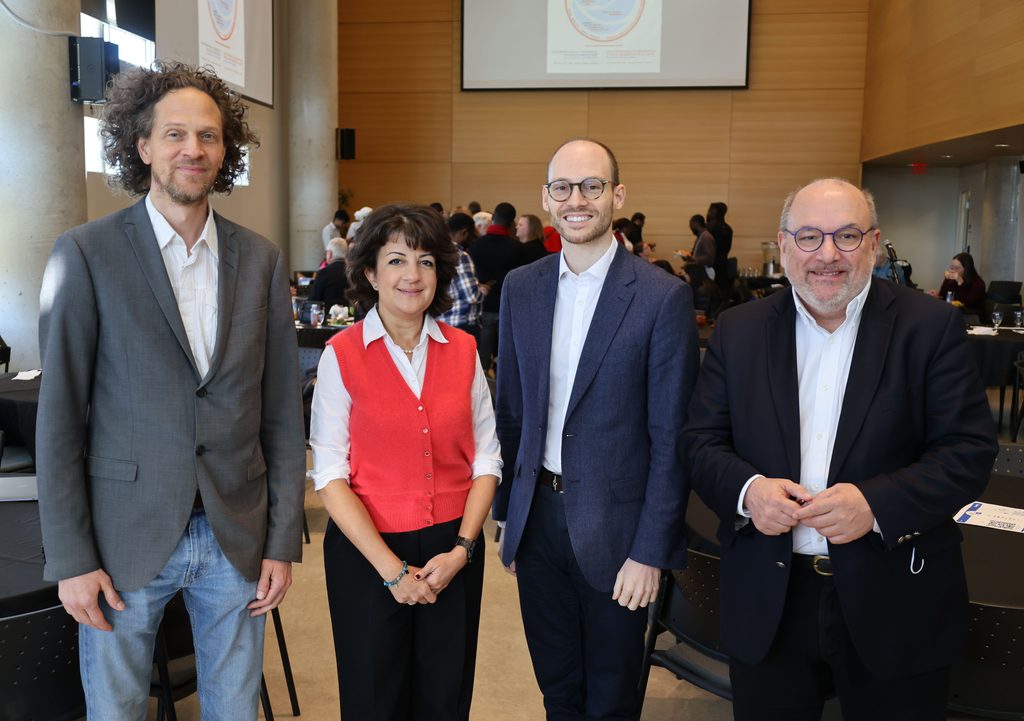
From October 20-21, the Global Strategy Lab took part in Health Promotion, Equity and Rights: The Ottawa Charter at 40, hosted by the uOttawa Centre for Health Law, Policy and Ethics with the University of Ottawa Faculty of Law, Common Law Section, and Fulbright Canada. Global Health Law Research Director Roojin Habibi, AMR Policy Accelerator Director of Research Arne Ruckert, Founder Steven Hoffman, and Public Health Institutions Research Director Patrick Fafard joined researchers, legal scholars, public health leaders and students for two days of dialogue.
The Ottawa Charter for Health Promotion was adopted in 1986. The Charter defined health promotion as “the process of enabling people to increase control over, and to improve, their health,” and recognized that health goes beyond access to health care. Achieving well-being depends on fundamental prerequisites like peace, shelter, education, food, income, a stable ecosystem, sustainable resources, social justice and equity.
Forty years later, the conference examined the Charter’s evolution, impact and future, from climate change and misinformation to global health governance and equity. Our team helped open, chair and contribute to sessions across both days:
Tuesday October 20: Welcoming Remarks
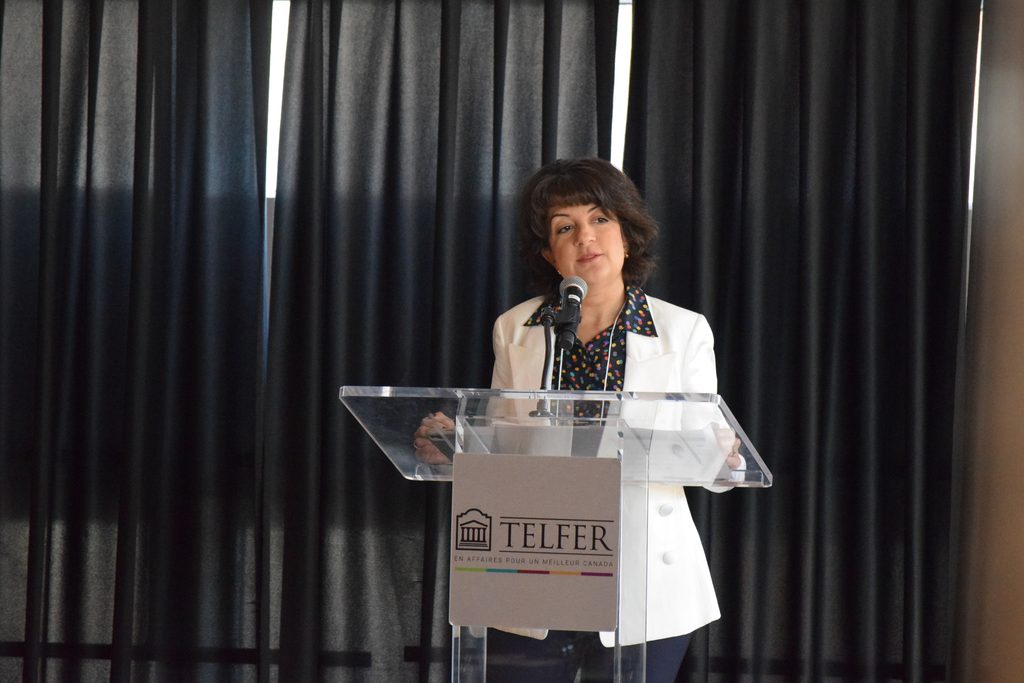
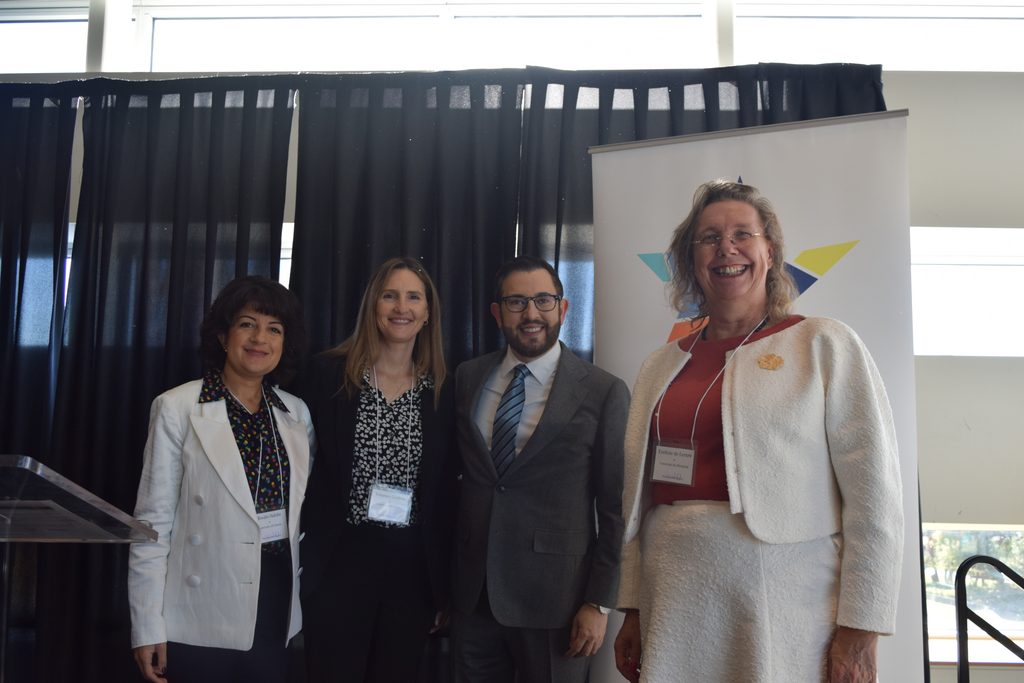
Roojin Habibi welcomed participants alongside Vanessa Gruben, Director of the uOttawa Centre for Health Law, Policy and Ethics. She reminded the room that political division and institutional uncertainty make this work harder, but not futile, and that Canada’s role in global health still has room to grow.
Tuesday October 20: Charter Pillar #2, Creating Supportive Environments
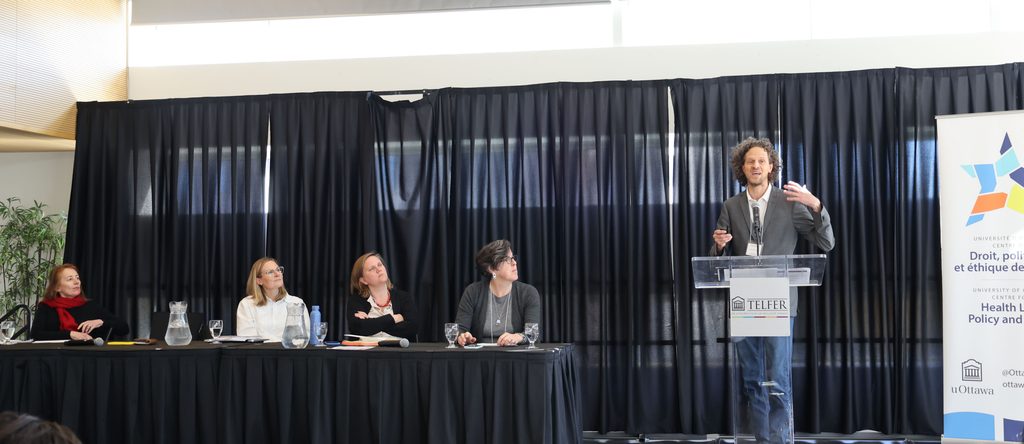
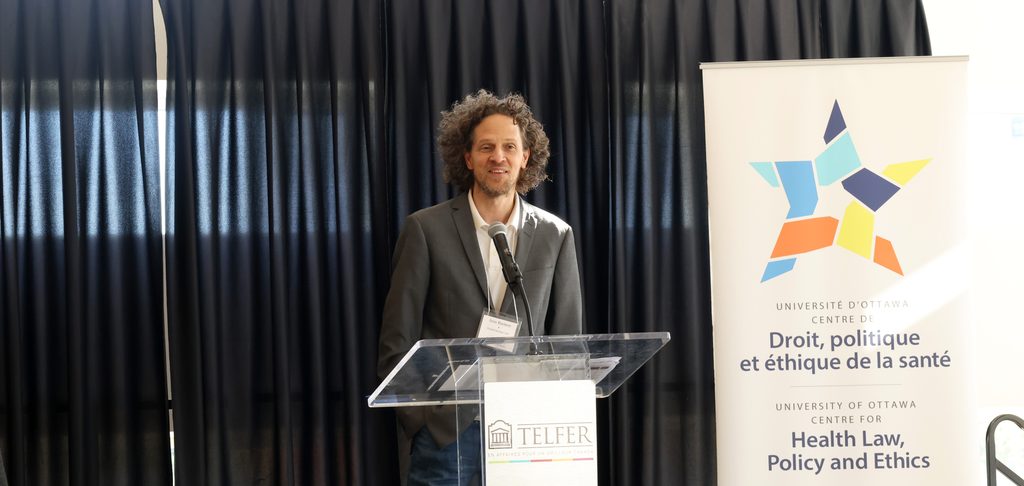
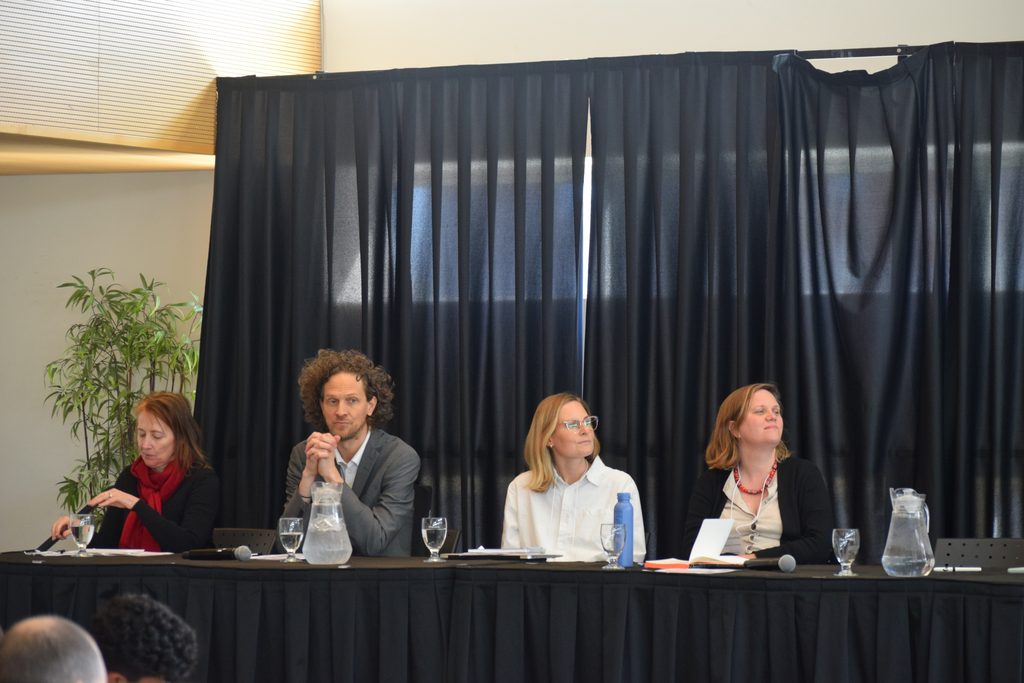
Arne Ruckert drew on lessons from the Charter to rethink how we govern antimicrobial resistance (AMR). He stressed that we should tackle the conditions that drive AMR, not just how antibiotics are used.
Wednesday October 21: Opening Keynote, The Ottawa Charter at 40: Canada’s Legacy and Future
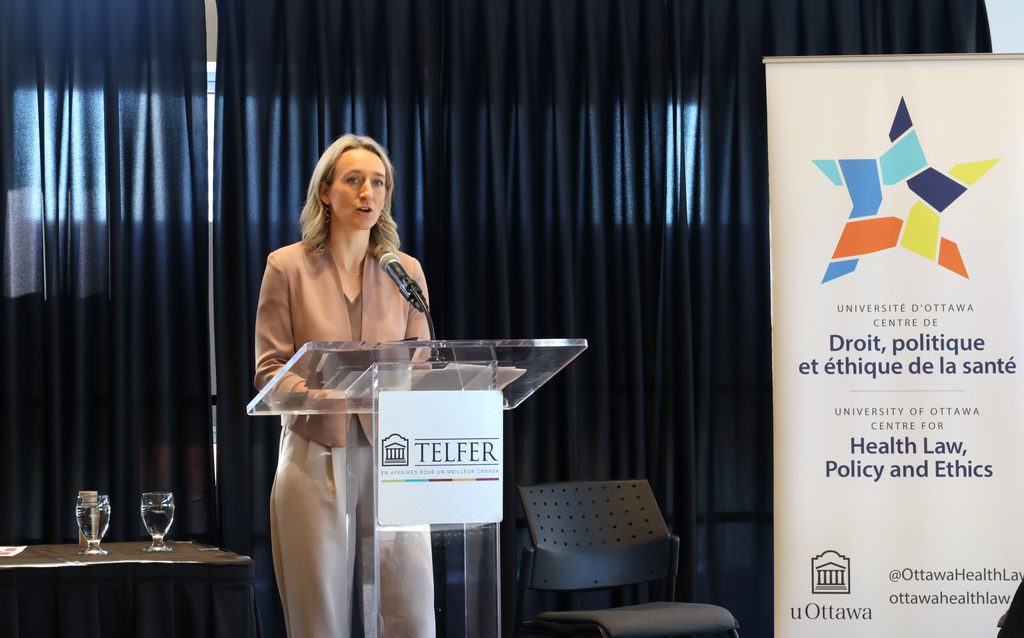
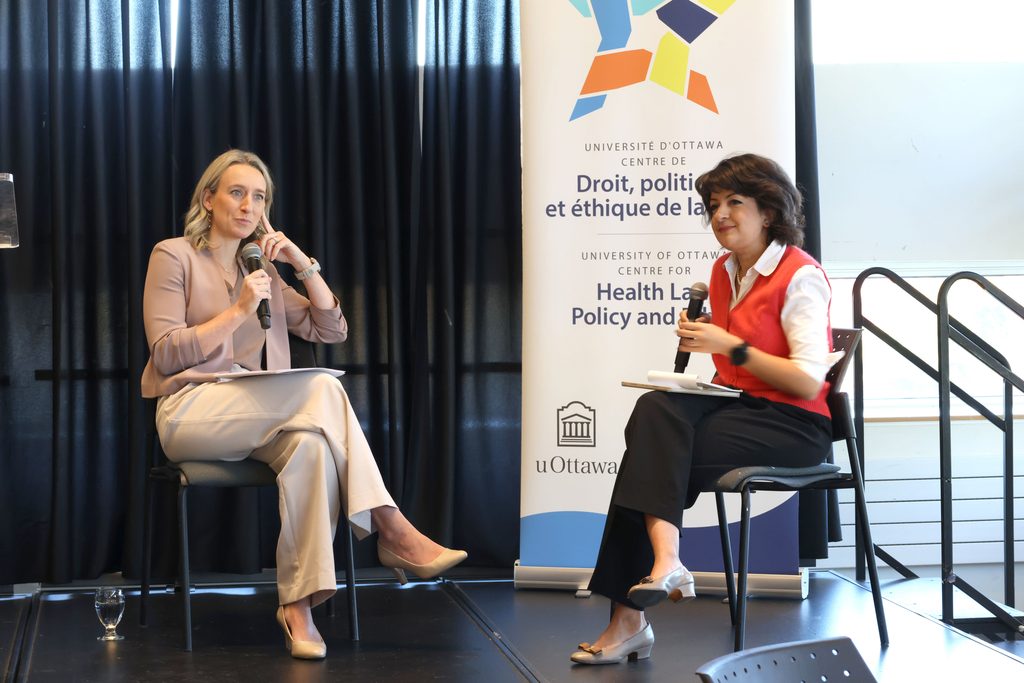
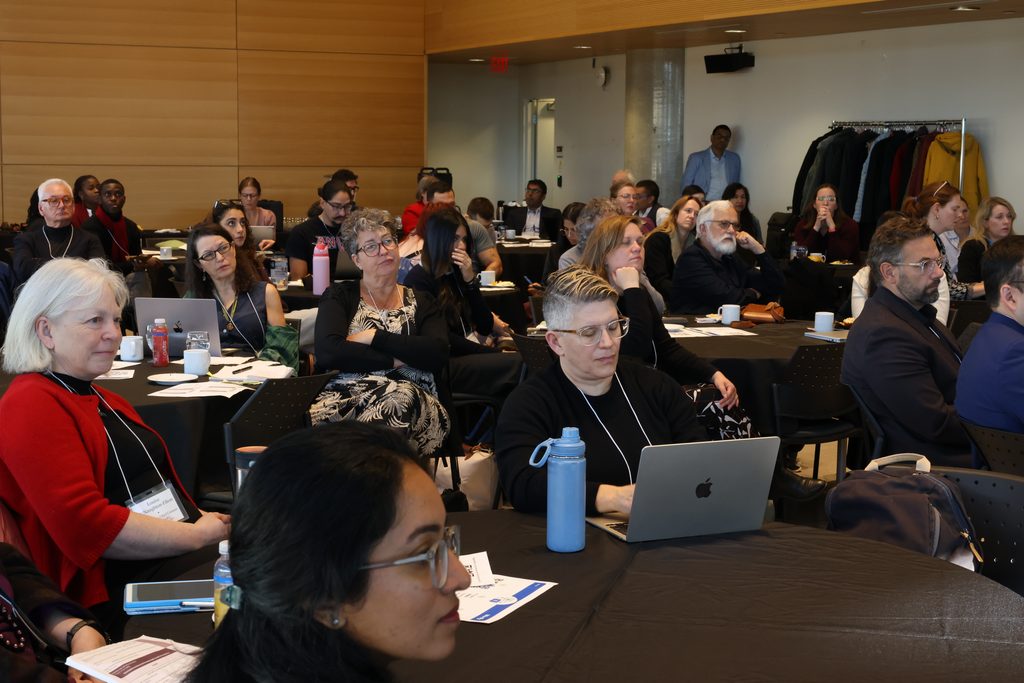
Roojin Habibi chaired the opening keynote with Joss Reimer, Chief Public Health Officer of Canada, on Canada’s health promotion legacy and the challenges and opportunities ahead. With misinformation spreading and public confidence strained, Reimer reminded the audience that public health’s job isn’t just to rebuild trust, but to be trustworthy by listening to communities, acting on what people experience, and being honest about what we do and don’t know.
Wednesday October 21: Charter Pillar #5, Breaking Silos in Health Mandates
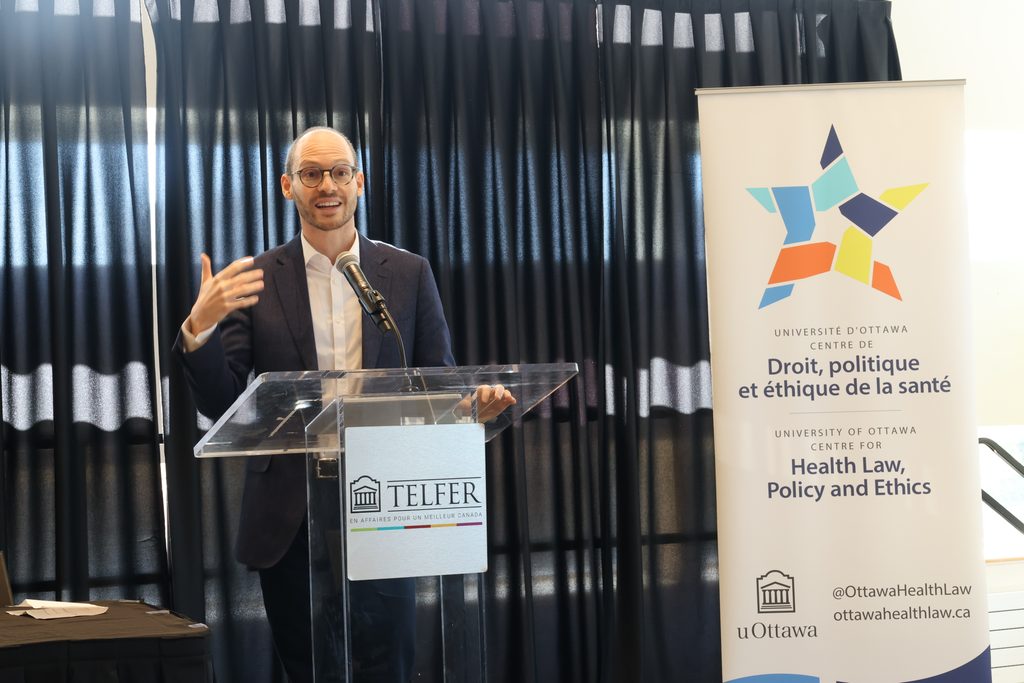
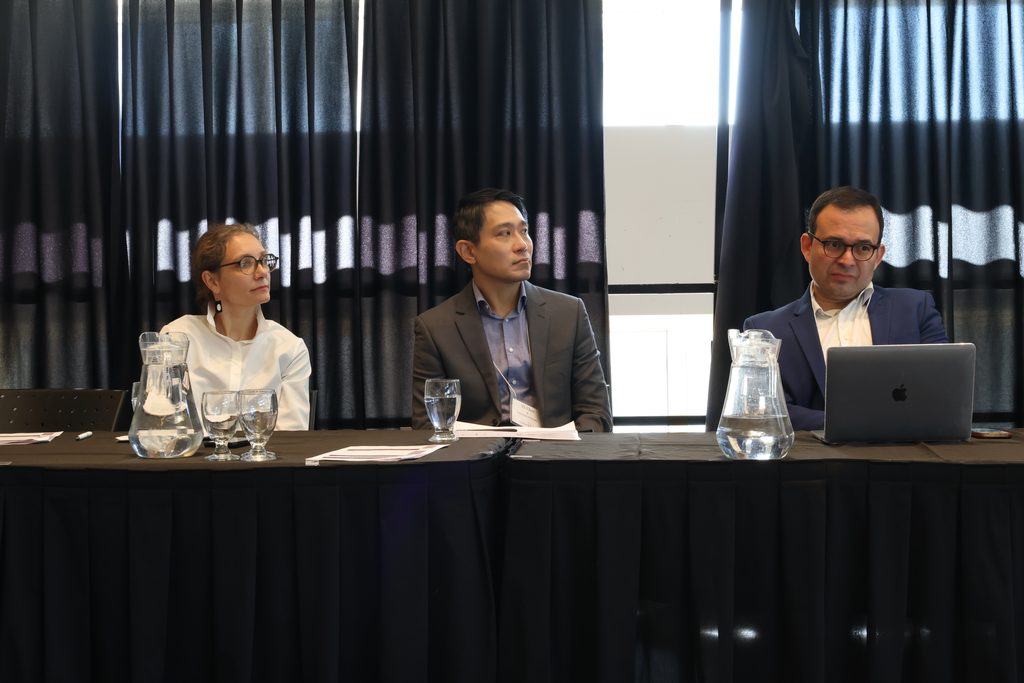

Steven Hoffman chaired a panel with Pedro Villarreal, Y.Y. Brandon Chen and Lara Gautier on One Health and international law, migrant health, and Health in All Policies. Panelists emphasized that breaking down silos needs to include sharing power and resources.
Wednesday October 21: After the Ottawa Charter: Impact, Critique, and Evolution
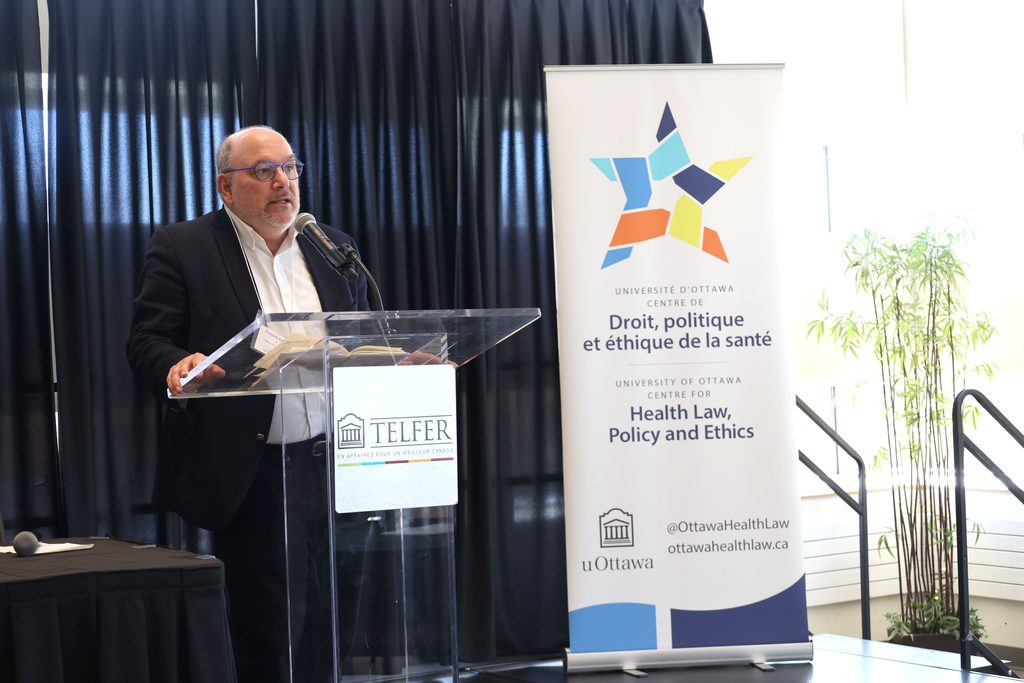
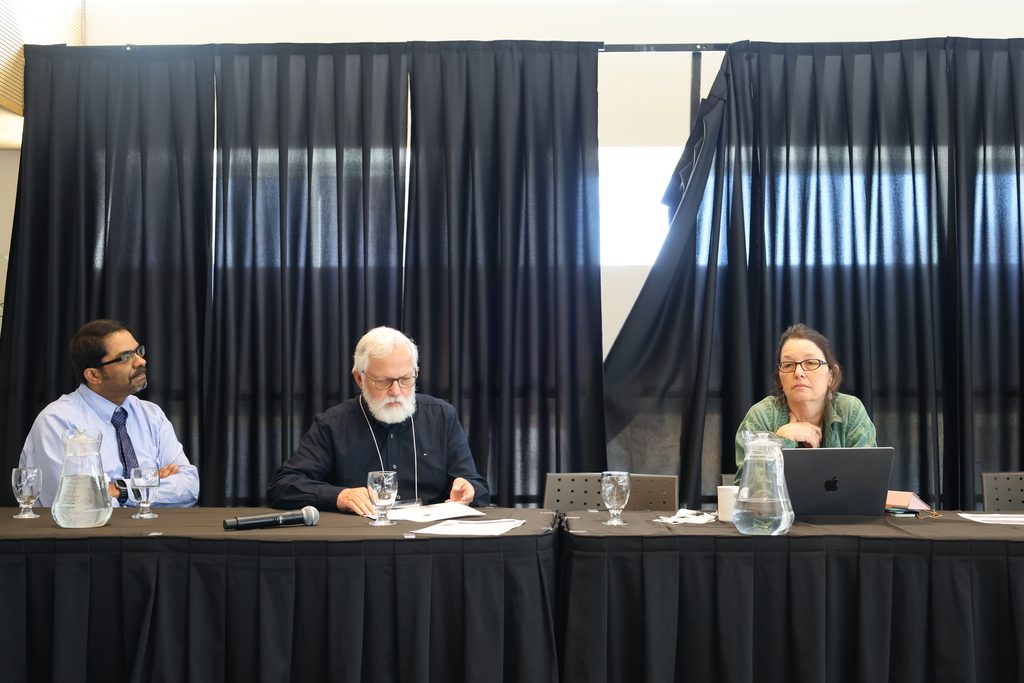
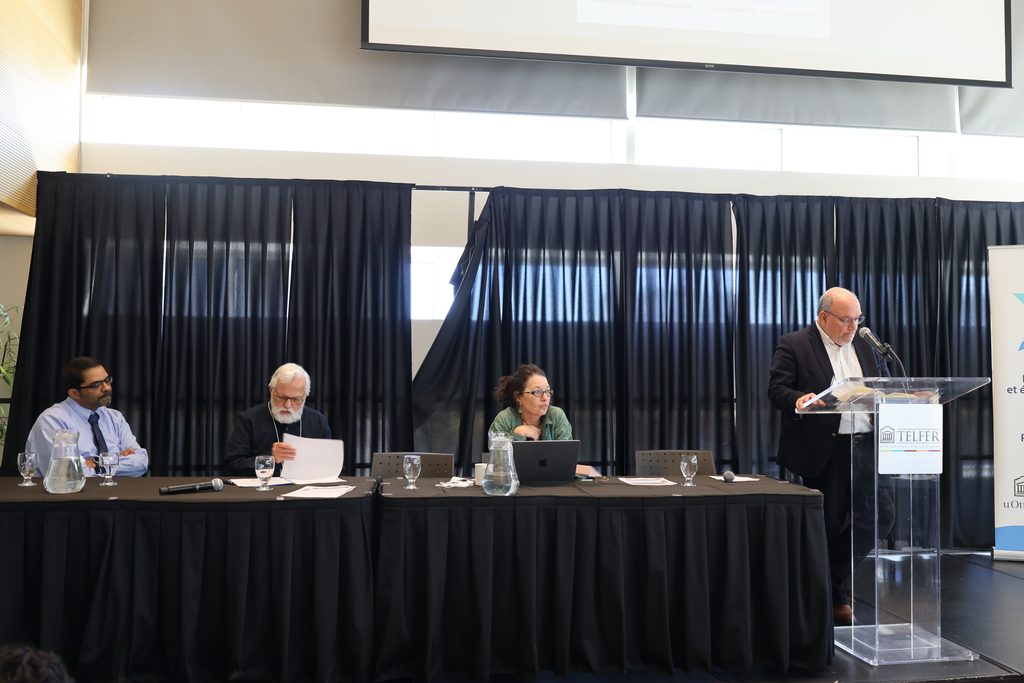
Patrick Fafard chaired the closing panel with Madhukar Pai, Ronald Labonté and Anne-Emanuelle Birn. Panelists challenged the audience to think critically about the future of health promotion. Closing the discussion, Patrick encouraged the room to recognize that the world has fundamentally changed, and that public health needs to engage with politics rather than give up on it.
The Global Strategy Lab thanks Vanessa Gruben, Benjamin Mason Meier, Dina Idriss-Wheeler, Gilles Holland, the student volunteers, and everyone at the uOttawa Centre for Health Law, Policy and Ethics, the University of Ottawa Faculty of Law, Common Law Section, and Fulbright Canada for convening this conversation. The conversations don’t end here, and we’re excited to see them carried forward.
Meet our team
People block – please see right sidebar for options.

Roojin Habibi
Research Director, Global Health Law

Arne Ruckert
Director of Research

Steven J. Hoffman
Founder

Patrick Fafard
Research Director, Public Health Institutions
 Previous