

Antimicrobial resistance (AMR) was at the centre of discussions in Munich this April, where members of the Global Strategy Lab (GSL) and the AMR Policy Accelerator joined researchers, clinicians, and policymakers from around the world for two interconnected conferences. Held within days of each other, the 5th International Network for AMR Social Science (INAMRSS) Research Conference and ESCMID Global 2026 highlighted the growing recognition that AMR must be addressed not only as a biomedical challenge, but also as a social challenge.
The 5th INAMRSS Research Conference (April 16–17) brought together social scientists and infectious disease researchers to examine dimensions of AMR that can help better integrate the social realities influencing clinical interventions: the social, cultural, political, and economic forces that shape how communities use, access, and think about antibiotics.
Over two days, participants explored how multidisciplinary approaches can strengthen global AMR responses, including through better understanding the systems, governance structures, behaviours, and inequities that shape antimicrobial use and access across contexts.
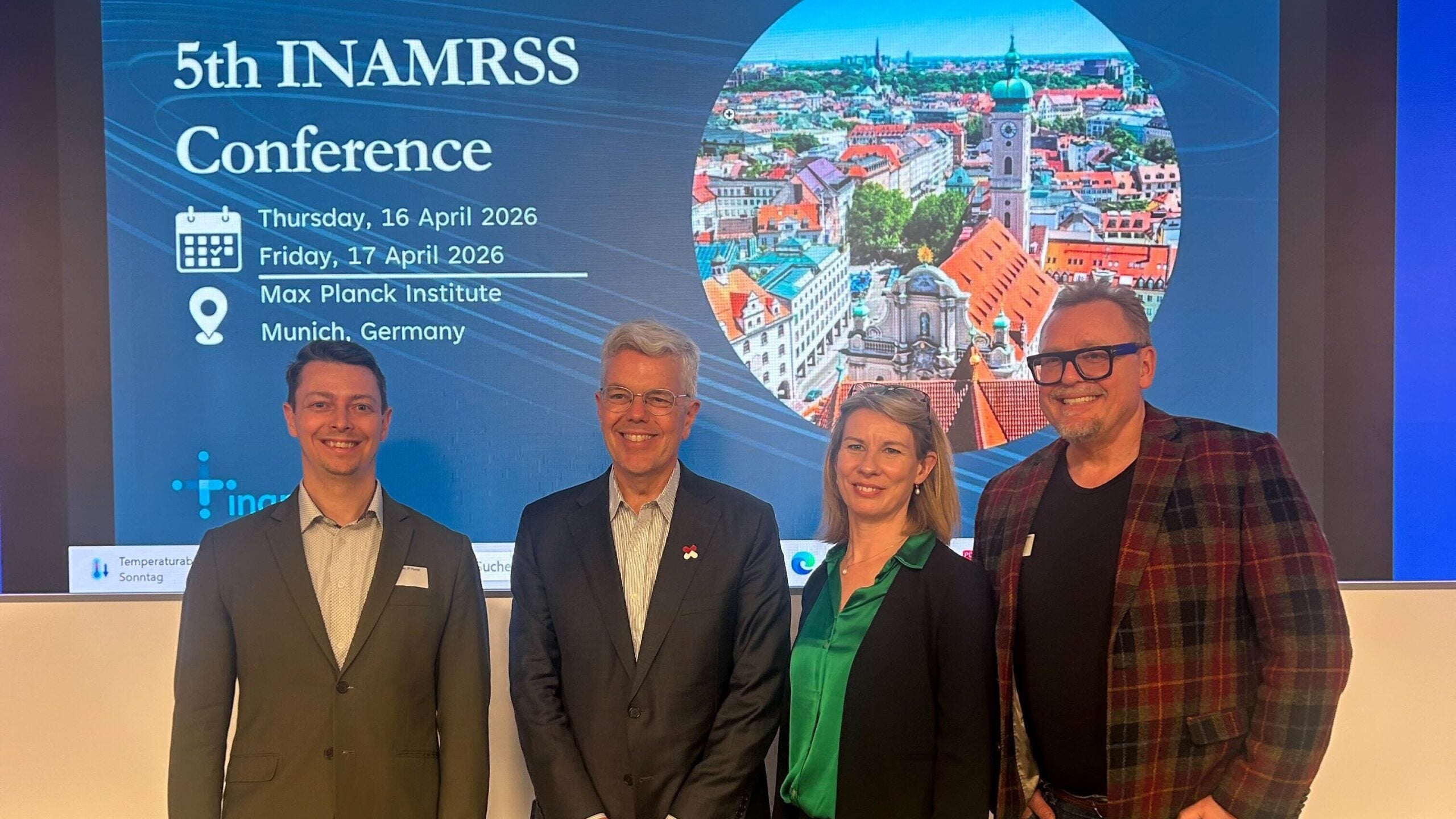
Following the INAMRSS Research Conference, ESCMID Global 2026 convened researchers, clinicians, policymakers, and public health leaders from around the world to share emerging evidence and advance collaboration on infectious disease challenges, including AMR.
Representing GSL and the AMR Policy Accelerator at ESCMID Global 2026 were Dr. Geneviève Boily-Larouche, Managing Director of the AMR Policy Accelerator, Dr. Fiona Emdin, Veterinary Research Fellow and Research Associate, and GSL Director Dr. Mathieu JP Poirier.
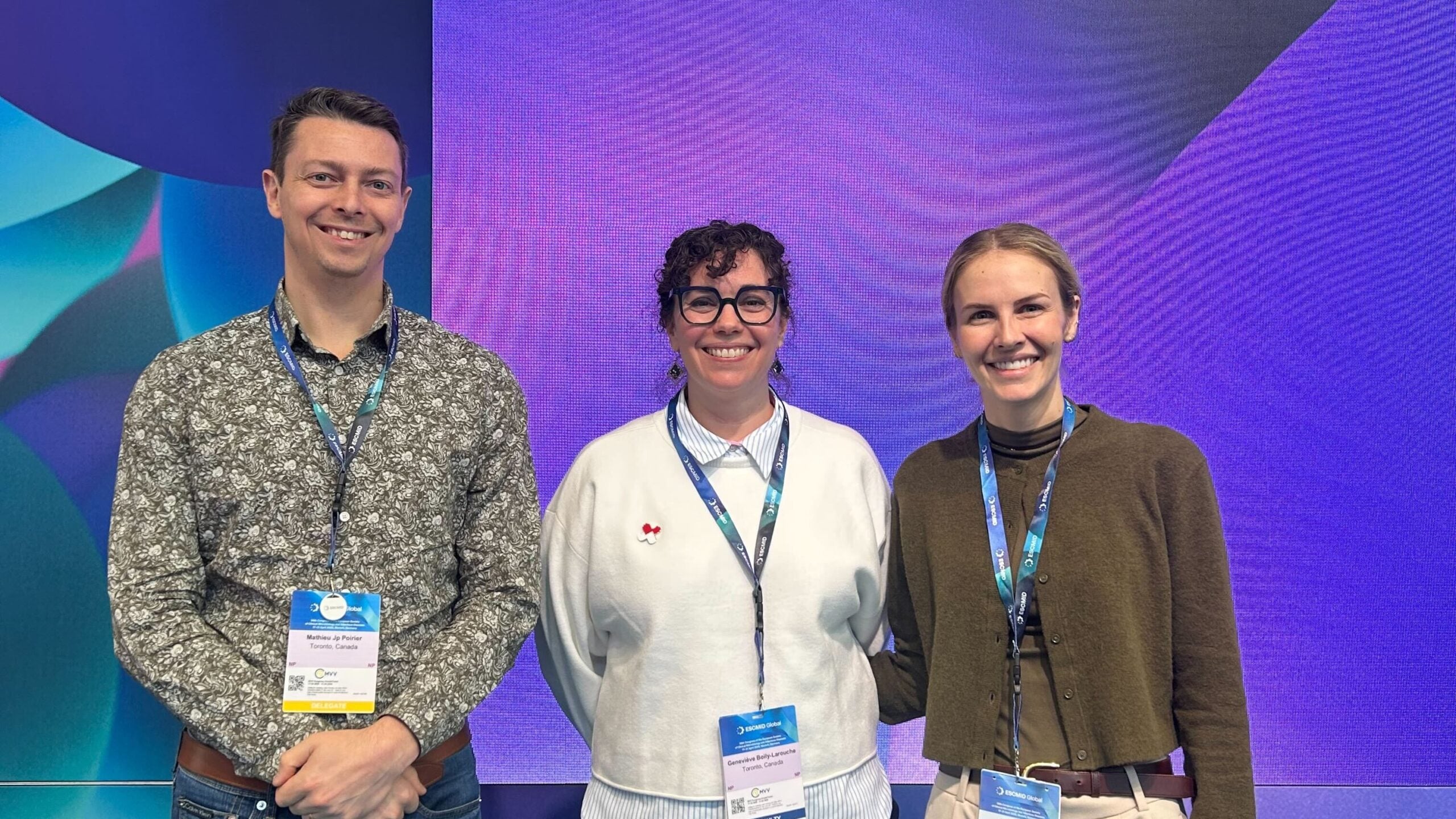
A key highlight of the week was the AMR Science Policy Forum, hosted by ESCMID, the Global Leaders Group on AMR (GLG), CARB-X, LifeArc, the Novo Nordisk Foundation, and the Gates Foundation. The forum aimed to strengthen connections between AMR science and policymaking, bringing together researchers, clinicians, and policymakers to discuss how evidence can better support global action on AMR, particularly in relation to the Independent Panel for Evidence for Action Against AMR.
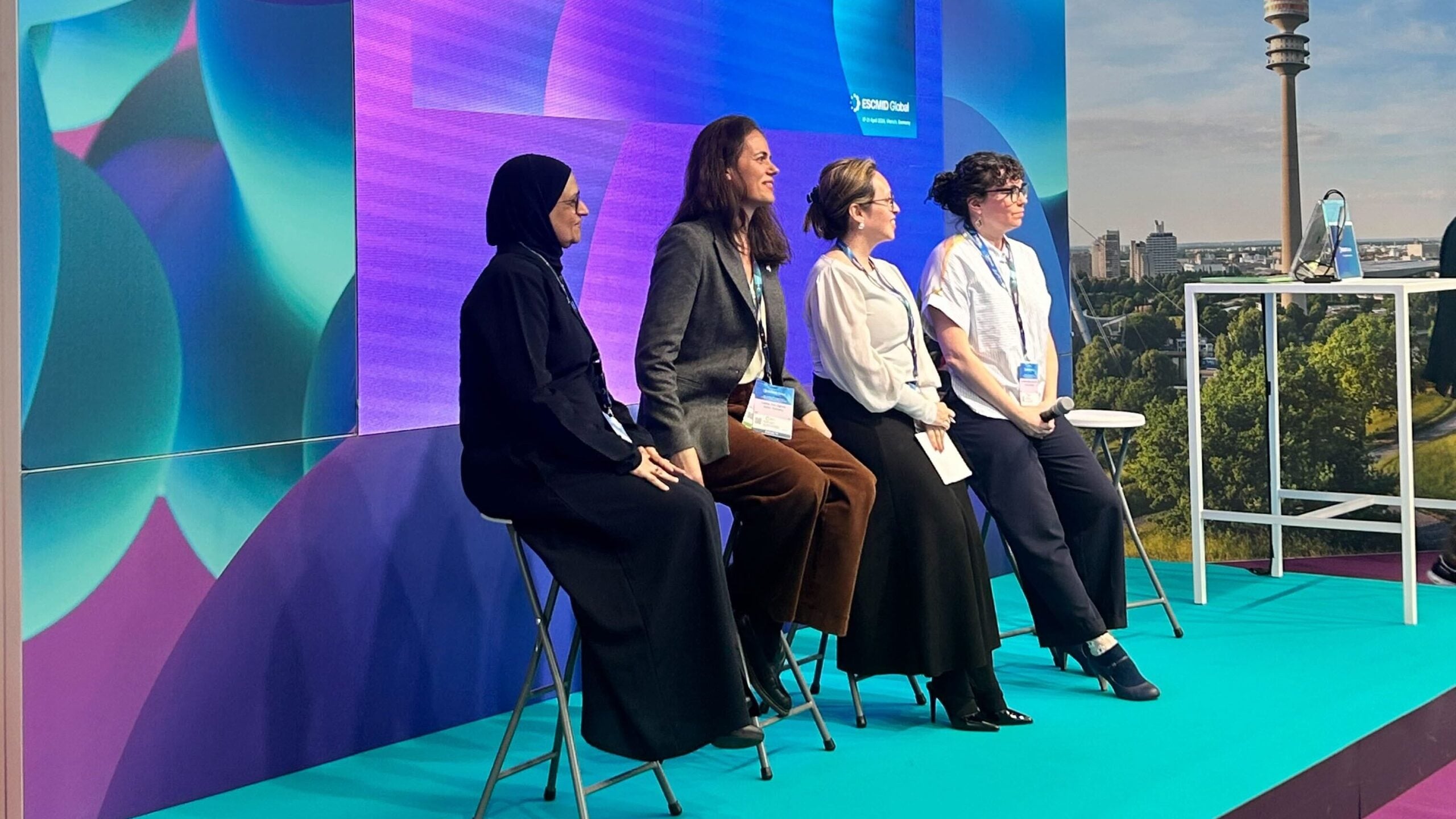
During one of the ESCMID Global panels, Dr. Geneviève Boily-Larouche participated in a discussion on implementing AMR priority research agendas organized by the AMR One Health Research Agenda Quadripartite Technical Core Team and its Expert Group. Drawing on GSL’s policy and governance work and her experience as a funder, she shared insights into the common challenges policymakers face in prioritizing national AMR research, and the opportunities to leverage the AMR priority research agenda to accelerate coordinated action.

“The implementation of the One Health Research Agenda depends on complex global, national and local systems and requires multiple funding pathways and the engagement of diverse actors to realize its full potential.
Filling the research gaps to accelerate evidence-informed policy for AMR is a shared responsibility. Understanding and aligning mandates, roles, and incentives and creating space for productive dialogue between key actors, is essential to its implementation.
Together, this is how we will be able to accomplish this work.”
— Dr. Geneviève Boily-Larouche, Managing Director of the AMR Policy Accelerator
Throughout both events, conversations reinforced the growing recognition that AMR is a complex challenge that requires global coordination and engagement across academia, government, human, animal, and environmental health sectors, and industry to be tackled. The engagement of social scientists is absolutely necessary to be able to move the dial further.
With the 5th High-Level Ministerial Conference on AMR approaching in June 2026, gatherings such as INAMRSS and ESCMID Global set the stage for opportunities to exchange ideas, strengthen collaborations, and contribute to ongoing global discussions on evidence-informed and equity-oriented AMR policy and governance.
 Previous