

Antimicrobial resistance (AMR) is a complex One Health challenge that affects human, animal, and environmental health. Designing policies to address it requires navigating complex trade-offs across scientific, political, social, and economic domains.
To support those working in the AMR space, the Global Strategy Lab’s (GSL) AMR Policymaking Course offers an interdisciplinary program designed to equip policymakers and practitioners with the tools to navigate the policymaking process, integrate diverse evidence, and address AMR challenges with equity, ethics, and political insight at national and global levels.
From February to March 2026, GSL delivered the AMR Policymaking Course across two regions, bringing together participants from Europe and Latin America to strengthen capacity for evidence-informed and context-responsive AMR policymaking.
Joint Action Antimicrobial Resistance and Healthcare-Associated Infections (EU-JAMRAI)
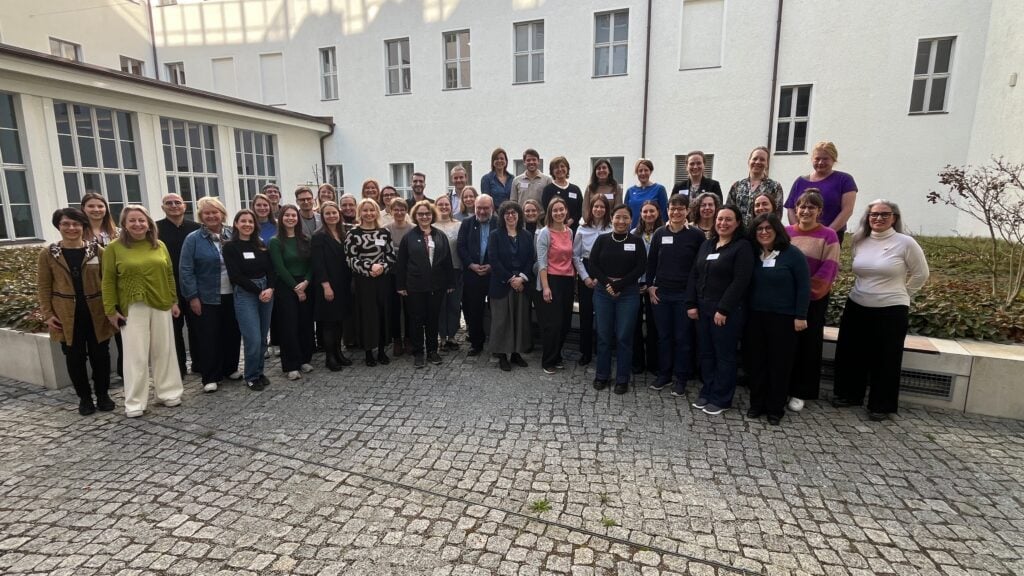
In February, the course was held in Berlin in collaboration with EU-JAMRAI and hosted by the Bundesministerium für Gesundheit. The convening brought together over 40 AMR policy experts from 24 countries across Europe, creating a space to exchange experiences, explore emerging research, and reflect on strategies to advance AMR policymaking across multiple national and regional contexts.
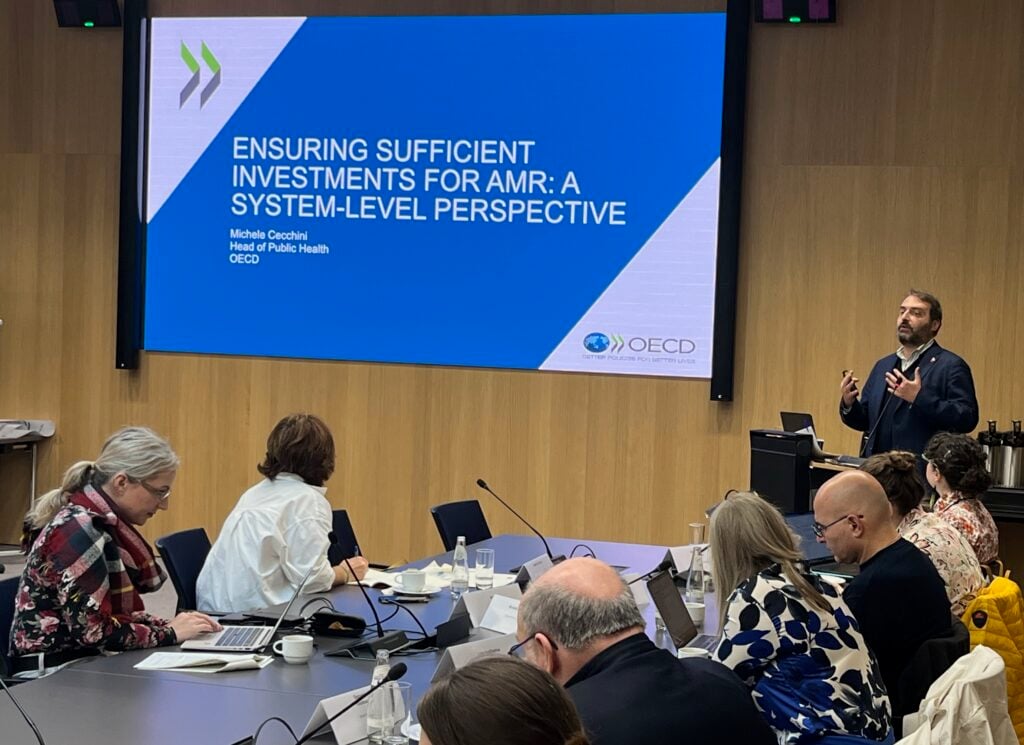
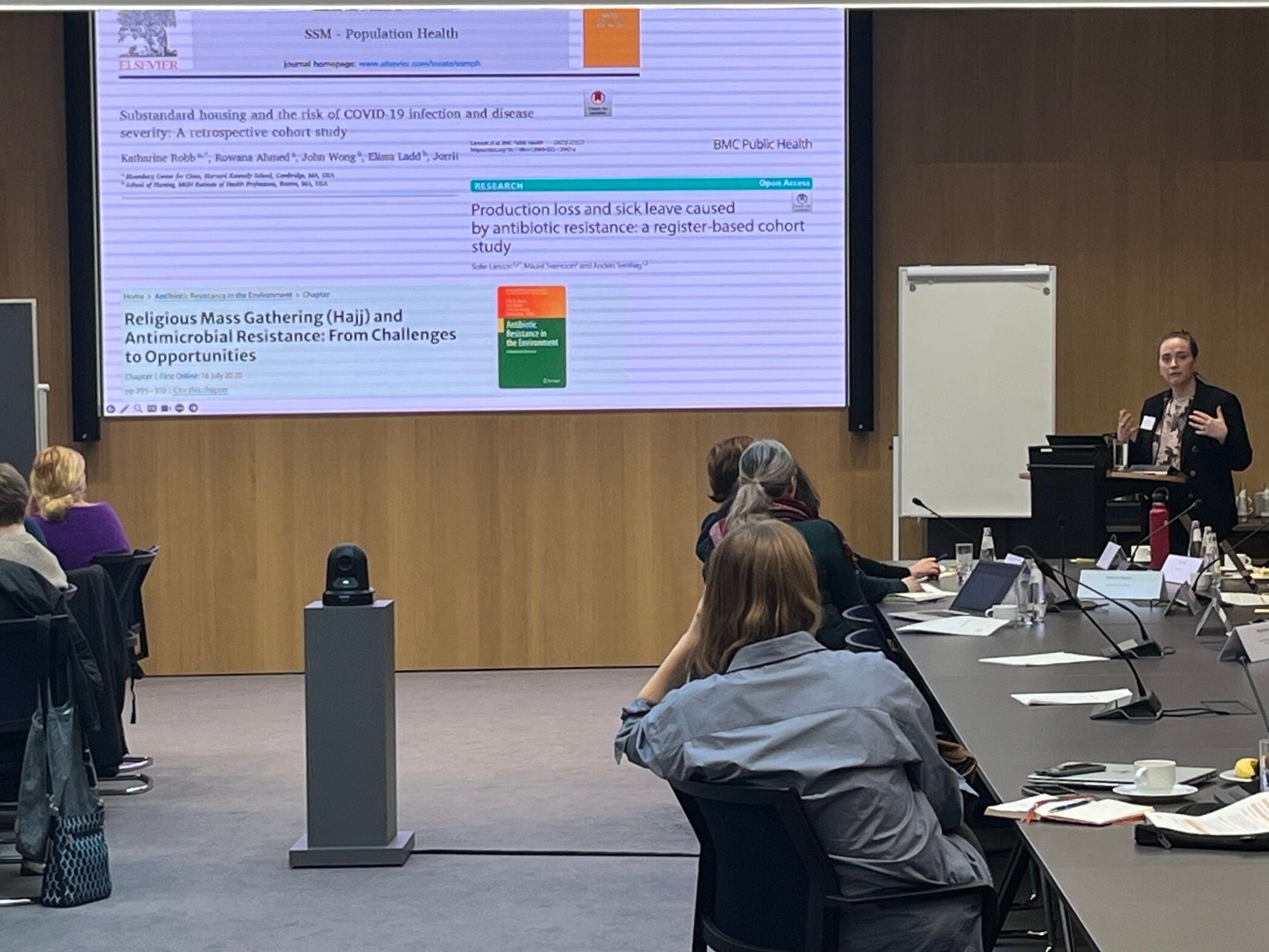
The three-day customized course, included sessions led by AMR Policy Accelerator Managing Director Geneviève Boily-Larouche, Research Lead Dr. Kayla Strong, GSL Director of Public Health Institutions Prof. Patrick Fafard and Director of Communications Demetria Tsoutouras, along with guest lecturers, Dr. Anne Harant (Robert Koch Institute), and Dr. Michele Cecchini (OECD).
Brasilia, Brazil
In March, the team headed south to Brasilia, Brazil, where the course brought together participants from Latin America working across One Health sectors. Through a multilingual mosaic of languages supported by simultaneous interpretation in Portuguese, Spanish, and English, the course created an inclusive space for exchange and collaboration across the region.
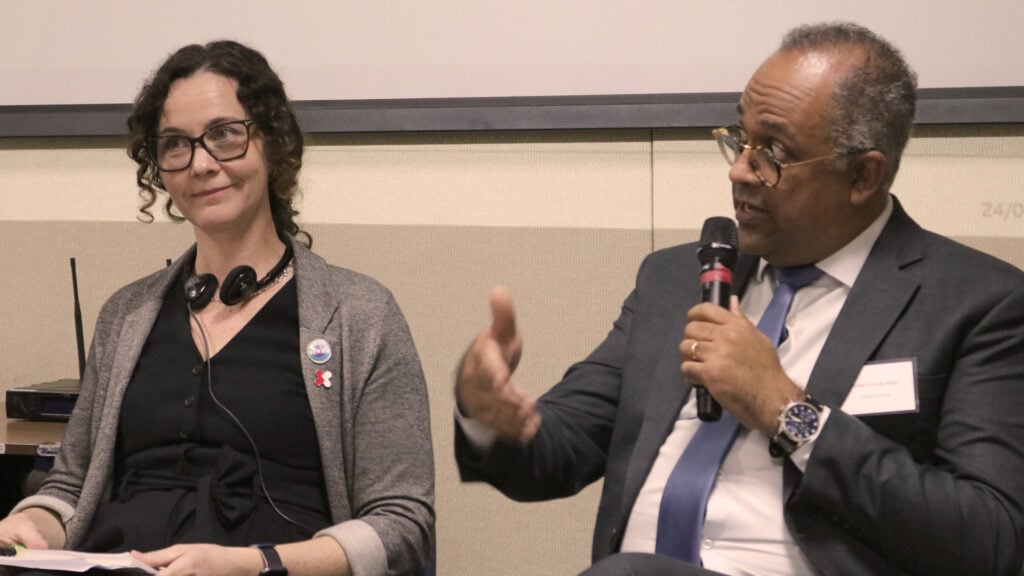
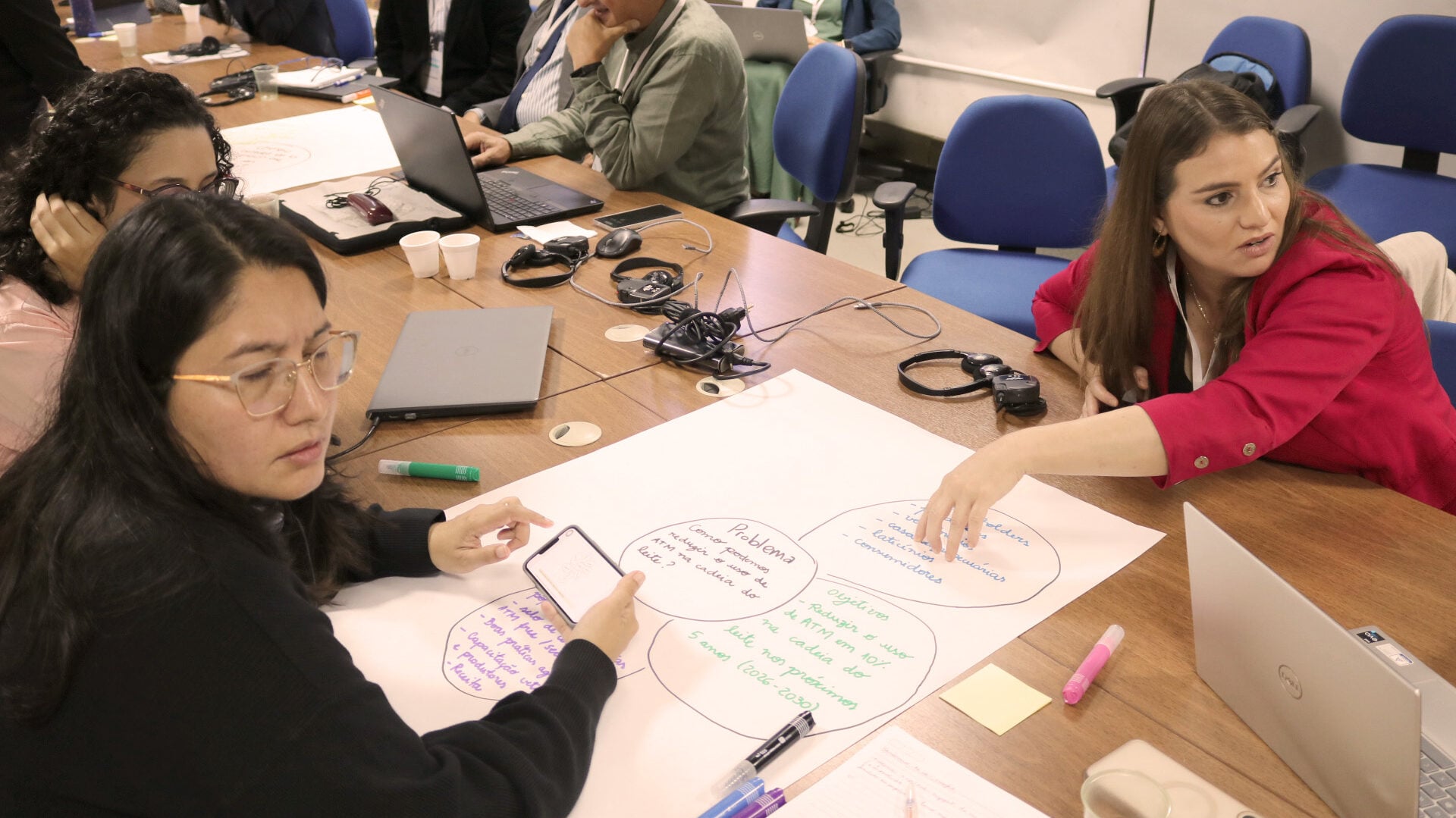
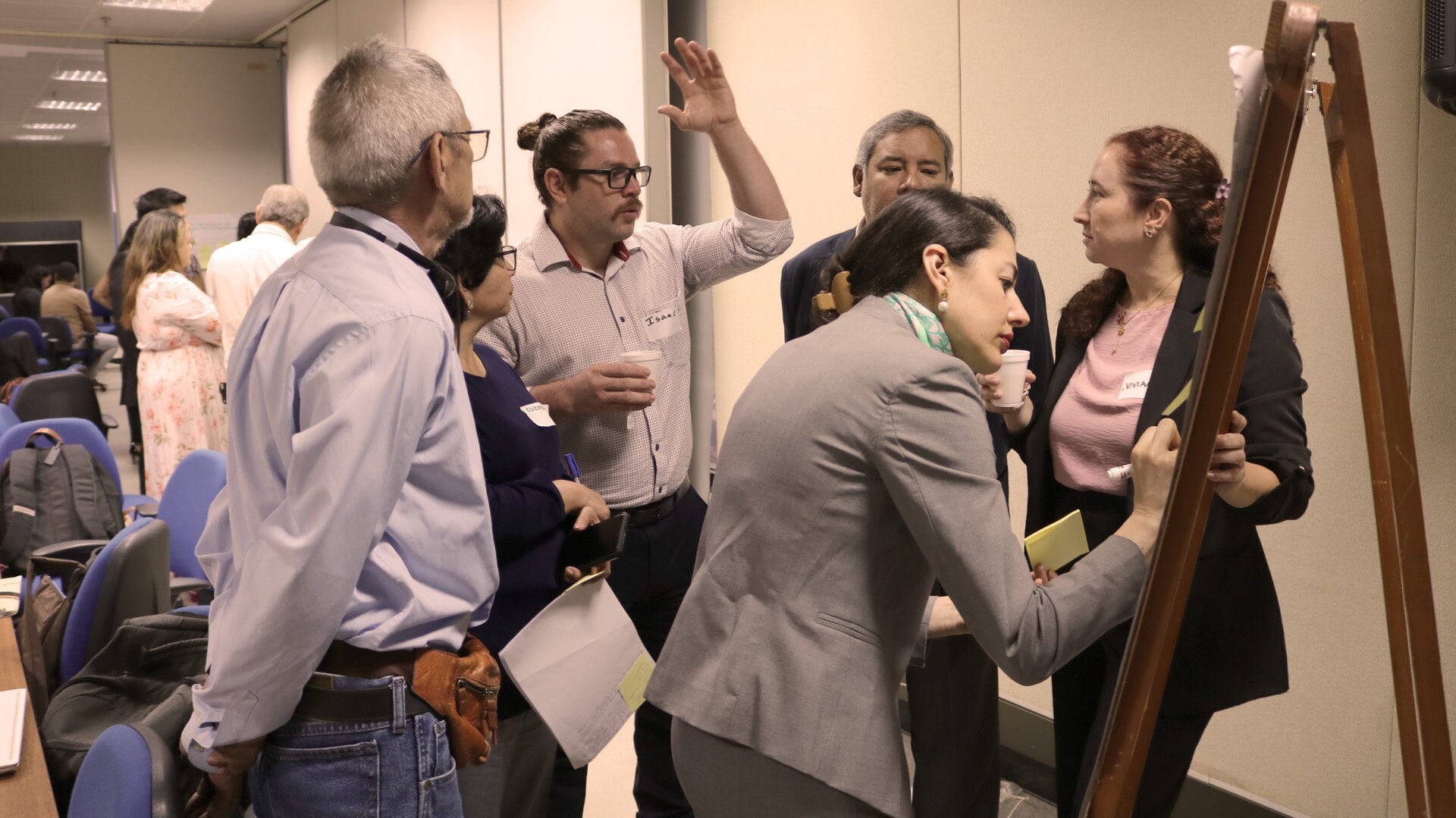
Sessions were led by GSL Director Dr. Mathieu Poirier, Research Lead Dr. Kayla Strong, Research Associate Dr. Lauren Wallace, and Dr. Beatriz Elena Marin Ochoa, formerly of Universidad Pontificia Bolivariana in Colombia and a researcher and communications expert, with an additional virtual contribution from Ms. Pramila Shrestha, Technical Officer for the AMR Multi-Partner Trust Fund (MPTF) at the World Health Organization. Together, facilitators guided participants through key dimensions of AMR policymaking, including governance, financing, stakeholder engagement, and the role of equity, ethics, and social determinants in shaping policy outcomes.
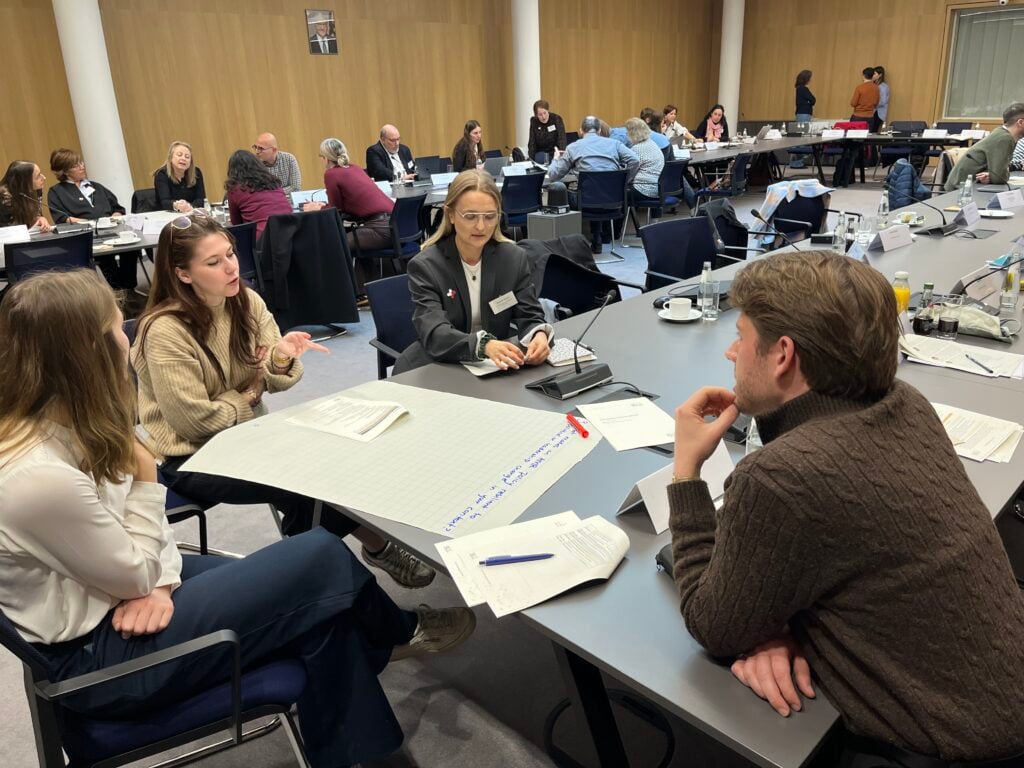
Across both courses, participants engaged in interactive group activities designed to move from theory to practice, examined how policy ideas resonate across contexts, and reflected on their feasibility and potential for adaptation within different political and institutional environments.
The Brazil course also played a key role in building momentum ahead of the 1st Americas Regional Meeting on Antimicrobial Resistance, equipping participants with tools to engage in regional dialogue and contribute to the development of a regional AMR roadmap (2026–2030). These efforts contribute to upcoming global milestones such as the 5th High-Level Ministerial Conference on AMR in June 2026.
Through initiatives like the AMR Policymaking Course, GSL continues to support policymakers and practitioners by creating spaces for reflection and collaboration that help advance more effective, equitable, and sustainable responses to antimicrobial resistance across regions.
To learn more about the AMR Policymaking Course, please contact kayla.strong@globalstrategylab.org.
 Previous