

Join the World Health Organization and the Global Strategy Lab for Context-Specific One Health Governance for Antimicrobial Resistance: Conceptual Framework and Country Experiences, part of the WHO Webinar Series to Support Implementation of National Action Plans on AMR.
When: Thursday, 19 November 2026 13:00 -14:15 CET (7:00 – 8:15 a.m. ET)
About the Webinar
Antimicrobial resistance (AMR) is a growing global health threat that is driven by interconnected antimicrobial use and environmental transmission pathways across human health systems, animal production, agriculture, and ecosystems. This makes One Health governance an important aspect of the global and national AMR policy response, as it facilitates effective cross-sectoral collaboration, policy coordination, and shared decision-making. The importance of One Health governance is also highlighted in the WHO’s recently updated Global Action Plan on AMR.
While international frameworks have promoted common principles and objectives, countries have implemented One Health governance in markedly different ways. Differences in political systems, institutional capacities, governance traditions, stakeholder relationships, and resource availability raise important questions about how One Health governance should be designed and implemented across different contexts. Emerging evidence suggests that there may not be a single model of effective One Health governance. Rather, successful implementation may depend on how governance arrangements are adapted to national contexts while fulfilling essential governance functions.
This webinar will combine findings from systematic and comparative analyses with practical insights from countries that have established and operationalized One Health governance mechanisms and provide practical lessons for AMR policymakers. Interpretation will be available in French and Portuguese.
Meet the Speakers
First, presentations on country experiences by:

Jean Pierre Nyemazi Director, AMR Department, Director, Quadripartite Joint
Dr Jean-Pierre Nyemazi is Acting Director of WHO’s Antimicrobial Resistance (AMR) Department and Director of the Quadripartite Joint Secretariat on AMR. He provides strategic leadership for WHO’s work on bacterial and fungal infections and AMR and leads the Quadripartite’s coordinated One Health response, bringing together FAO, UNEP, WHO, and WOAH. Before joining WHO, he served as Permanent Secretary at Rwanda’s Ministry of Health.

Taylor Hecker, Research Fellow, Global Strategy Lab
Taylor Hecker is a Research Fellow at the Global Strategy Lab’s AMR Policy Accelerator, hosted by York University in Canada. She holds a Master of Public Health in Global Health from the University of Ottawa and has previously conducted research on non-communicable diseases and healthcare systems. Drawing on a background in public health, health promotion, and health systems, Taylor brings a multisectoral and systems-thinking perspective to her research. Her current work focuses on One Health governance for antimicrobial resistance (AMR), examining how countries coordinate across sectors, establish governance structures, and translate policy commitments into action. Through this work, Taylor explores how governance mechanisms can support meaningful multisectoral collaboration, while recognizing the importance of adapting approaches to different political, economic, institutional, and social contexts.
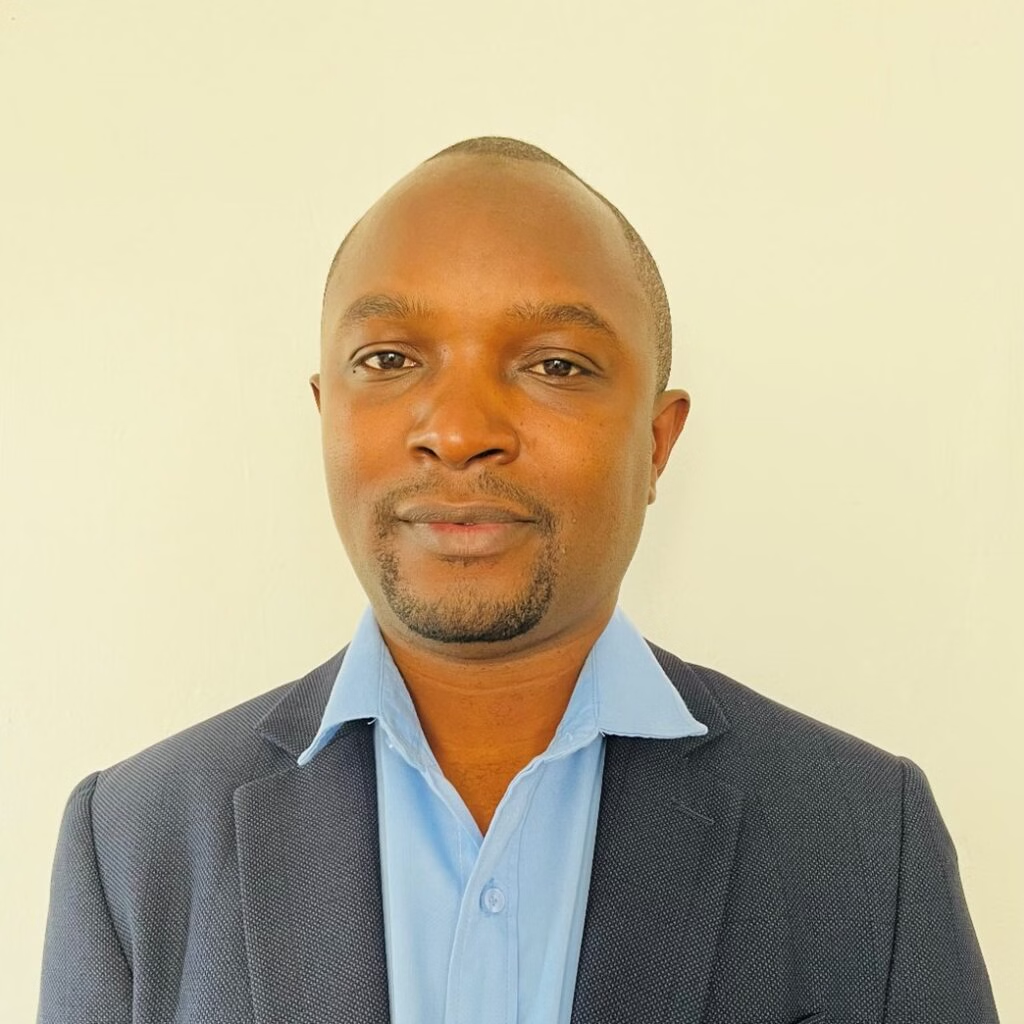
Joseph Chizimu, National Antimicrobial Resistance (AMR) Coordinator and Focal Point·Zambia National Public Health Institute (ZNPHI)

Abdullah Alqayoudhi, Head of AMR·Center for Disease Control and Prevention, Oman

Dr. Suriya Wongkongkathep
Then, an expert panel and live Q&A by:

Moderator: Nienke Bruinsma (WHO)
Nienke Bruinsma is a senior technical officer on AMR within the WHO HQ AMR department where she supports countries with the implementation of the WHO core package of AMR-related interventions with a people-centred approach and mainstreaming AMR into PHC-oriented health systems. Prior to working in WHO HQ, Nienke worked in PAHO, EURO. She has a PhD on AMR from the University Maastricht.
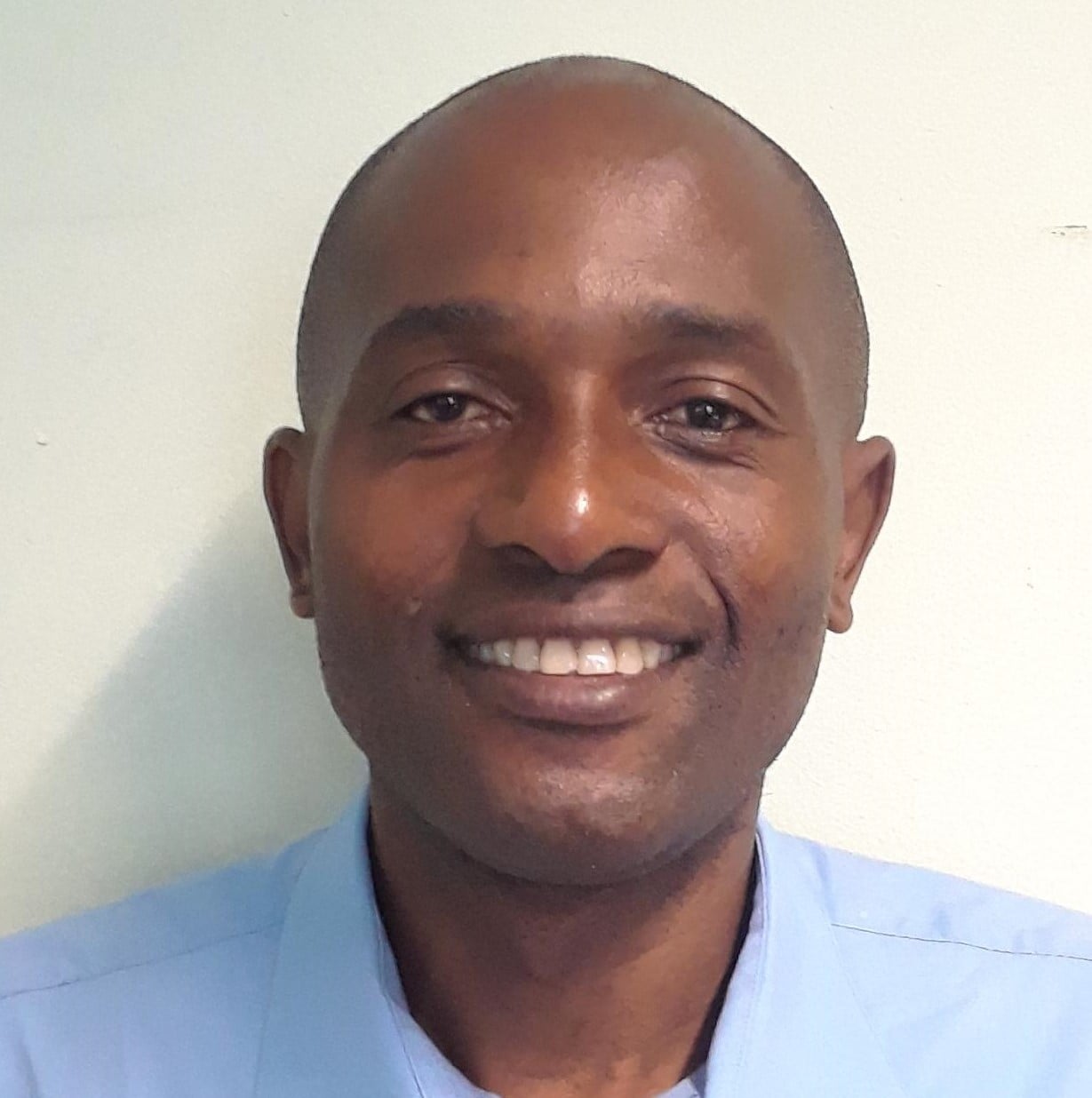
Walter Fuller, Technical Officer·World Health Organization Regional Office for Africa (WHO AFRO)
Dr. Walter Fuller is the WHO AFRO AMR Technical Officer, leading regional AMR Education, Stewardship, and One Health, driving the continent’s coordinated response by translating global policy into impactful on-the-ground results. A passionate advocate for sustainable health systems, Dr. Fuller plays a pivotal role in strengthening governance, fostering robust cross-sectoral coordination, and building powerful regional partnerships across Africa to accelerate the implementation of National Action Plans (NAPs) on Antimicrobial Resistance. Alongside his extensive operational leadership, he is a prolific author and researcher, having contributed numerous influential papers, technical reports, and publications that shape regional policy and guide evidence-based interventions in public health.

Arne Ruckert, Director of Research, Global Strategy Lab
Arne Ruckert is the Director of Research at the Global Strategy Lab’s AMR Policy Accelerator, hosted by York University in Canada. His academic work revolves around understanding how social determinants of health are driving global health inequities, using political economy and social science approaches. He is currently researching the governance and surveillance of antimicrobial resistance (AMR) drawing on the One Health approach, as well as the role of equity considerations in global governance of infectious diseases and AMR.
Arne has co-edited four collections, published more than 100 articles in the area of global health and development, and co-authored an award-winning textbook with Oxford University Press (Health Equity in a Globalizing Era, 2019).

Jane Lwoyero, Programme Officer for antimicrobial resistance·World Organization for Animal Health (WOAH) Africa
Dr. Jane Lwoyero joined the OIE Sub-Regional Representation for Eastern Africa in 2018 as Programme Officer for antimicrobial resistance. Jane is a Kenyan veterinarian. and besides her veterinary degree, she also holds a Master of Science (MSc) in Veterinary Public Health from the University of Nairobi. Thanks to this training, Jane quickly took a keen interests in antimicrobial resistance (AMR) and food safety and has meanwhile undertaken further training in Governance and food safety in international food chains and research on “Antibiotic residues in poultry products and in situ selection for antibiotic resistant bacteria” under the under the Borlaug Fellowship Programme and training in One Health, respectively.
Before her position at WOAH, she served at the Directorate of Veterinary Services (State Department of Livestock) in the Ministry of Agriculture, Livestock and Fisheries. As a Kenyan government official, Dr. Lwoyero was responsible for the implementation of the AMR activities, coordinating the residue monitoring programme for veterinary drugs and contaminants in foods of animal origin, as well as the control of imports and exports of food of animal origin, including inspection and auditing of milk and meat processing.
In this capacity, she was also the AMR focal person in her Ministry. She lead the Ministry of Agriculture, Livestock and Fisheries in the process leading to the development of the National Policy and National Action Plan on prevention and containment of AMR, the draft AMR Communication Strategy and the draft AMR and antimicrobial use (AMU) surveillance programme.
Dr. Lwoyero was a member of the AMR programme secretariat, a member of the National Antimicrobial Stewardship Advisory Committee and she is a member of the Kenya Chapter of the Global Antimicrobial Resistance Partnership (GARP).
 Previous