

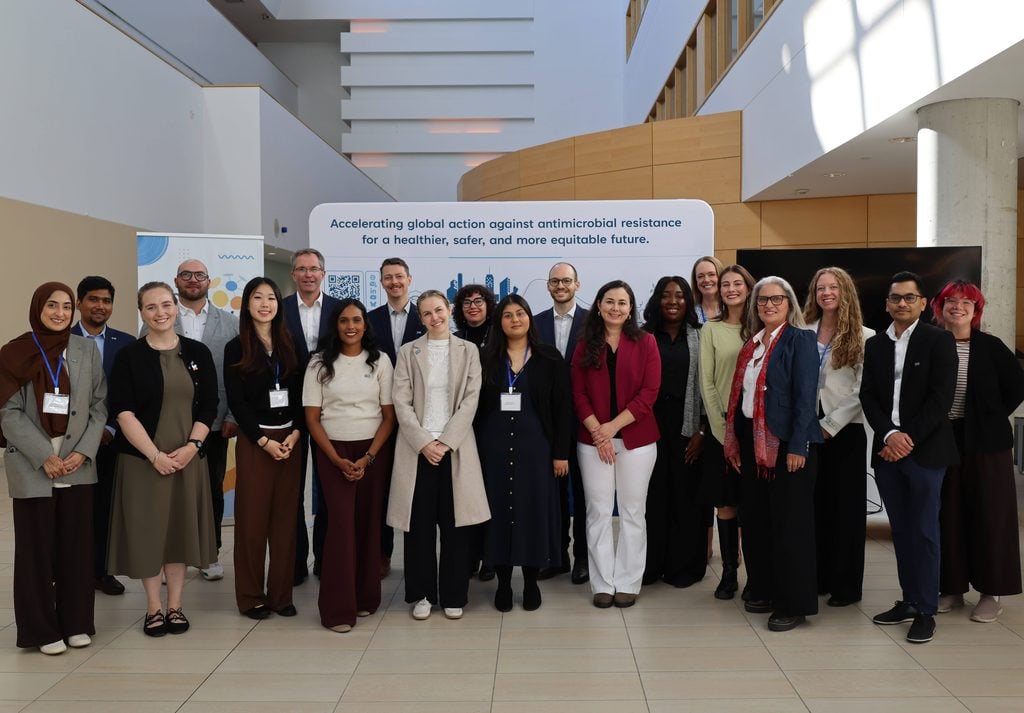
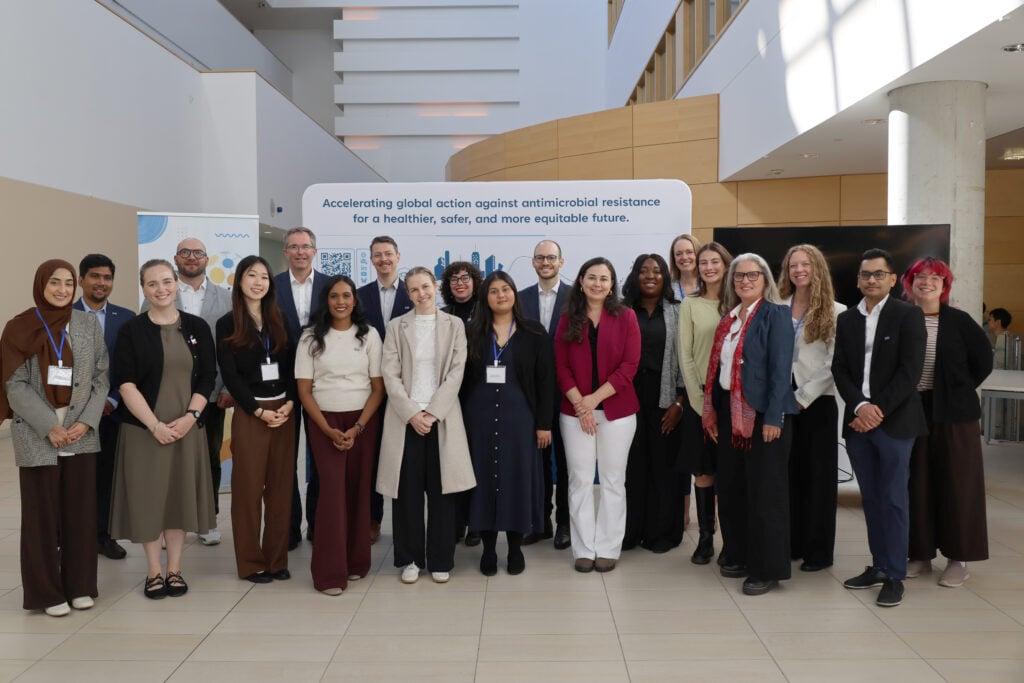
On September 24, the Global Strategy Lab brought together our team, university leaders and members of the global health community at York University to mark the next chapter of the AMR Policy Accelerator. The day included the launch of the Accelerator’s 2026–2030 Strategic Plan, followed by a fireside chat exploring the future of global health and innovation.
AMR Policy Accelerator Launches its 2026–2030 Strategic Plan
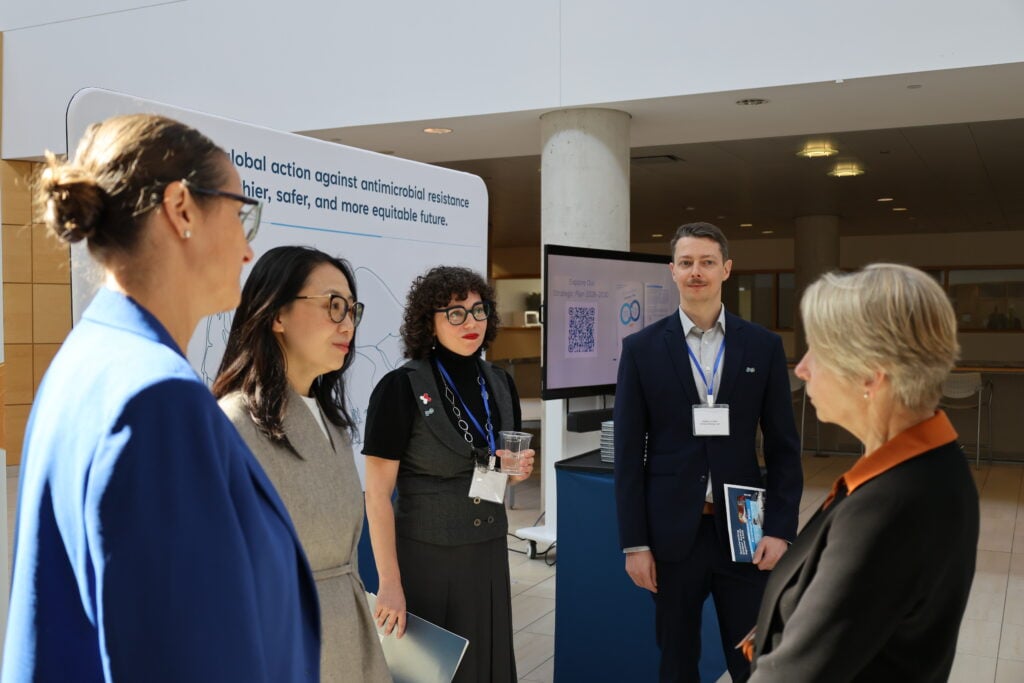
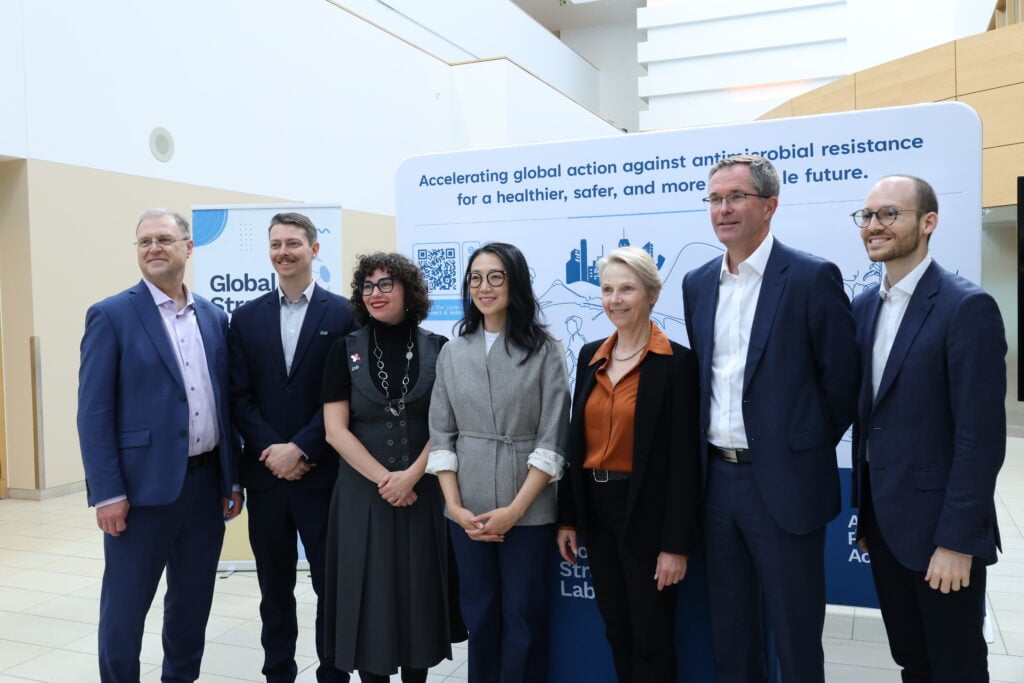
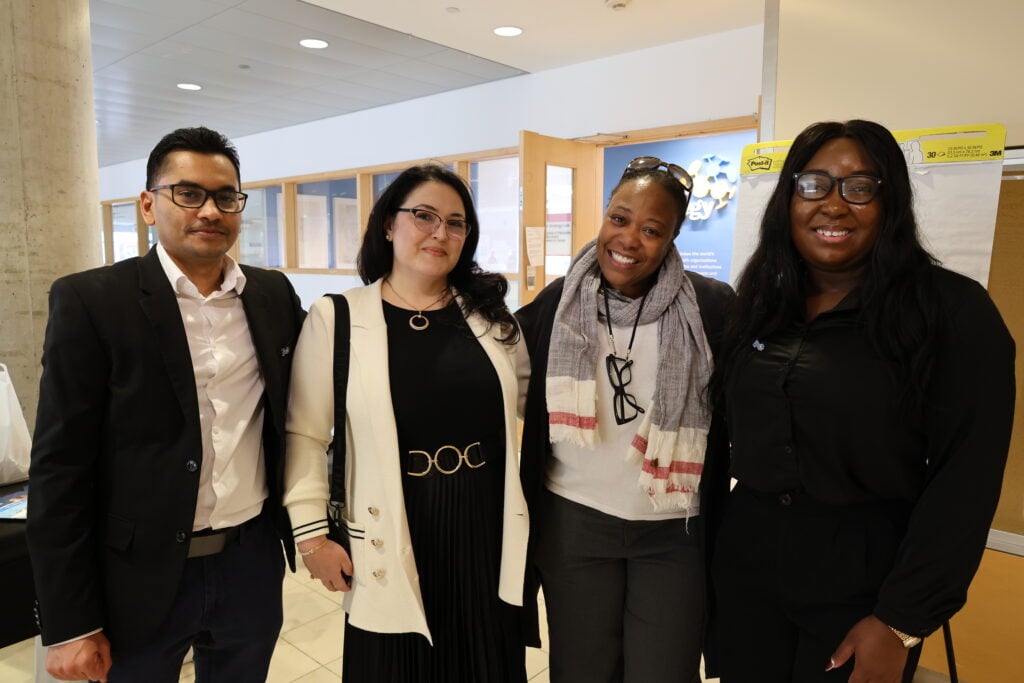

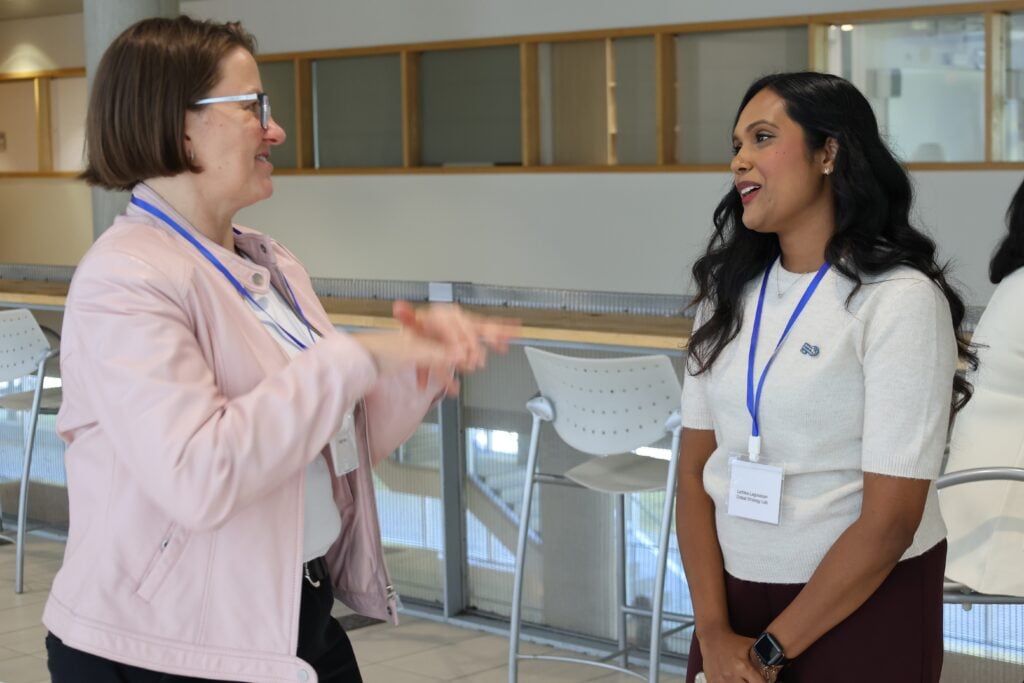
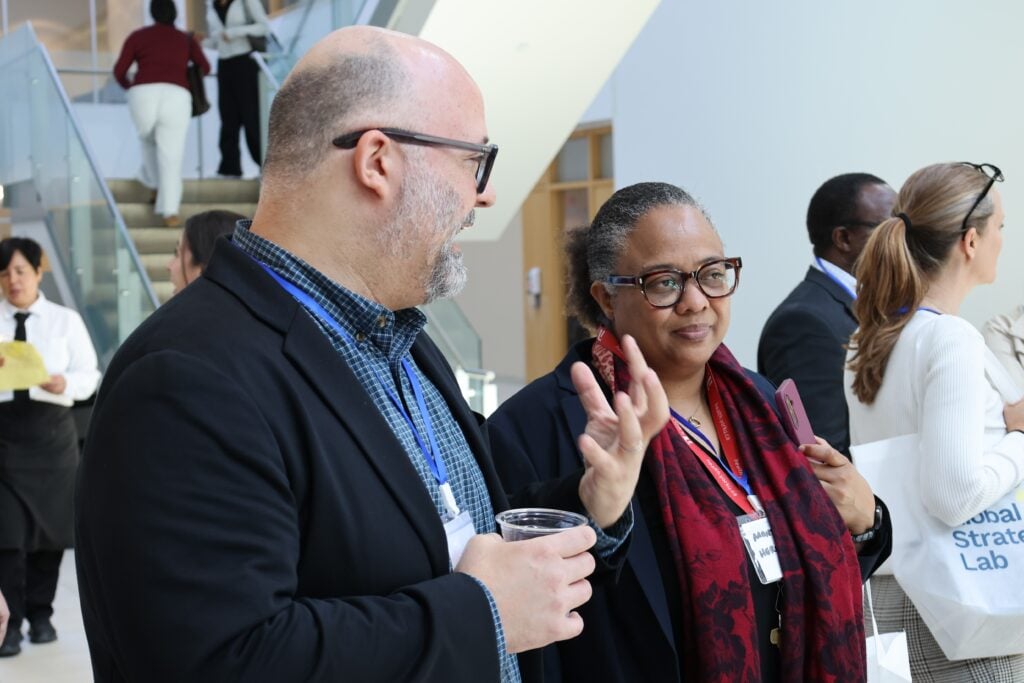
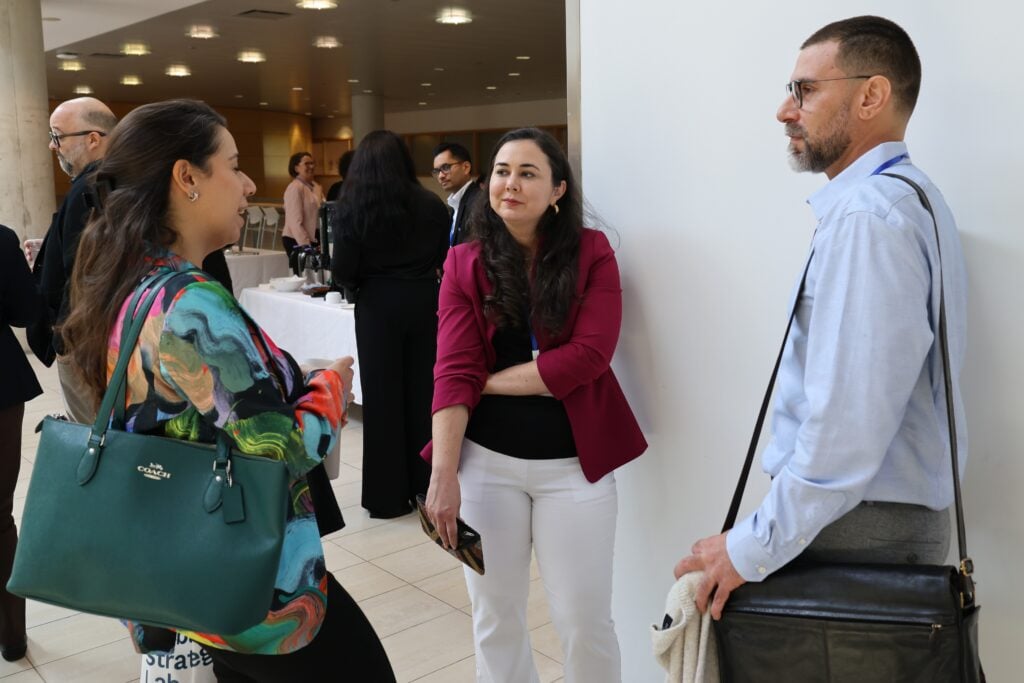
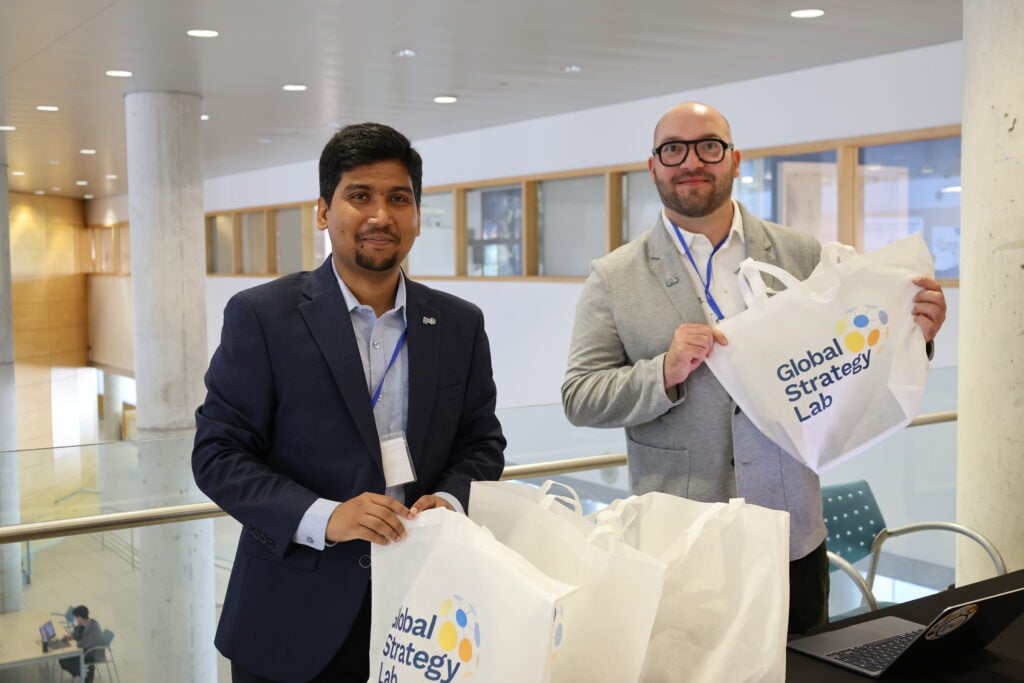
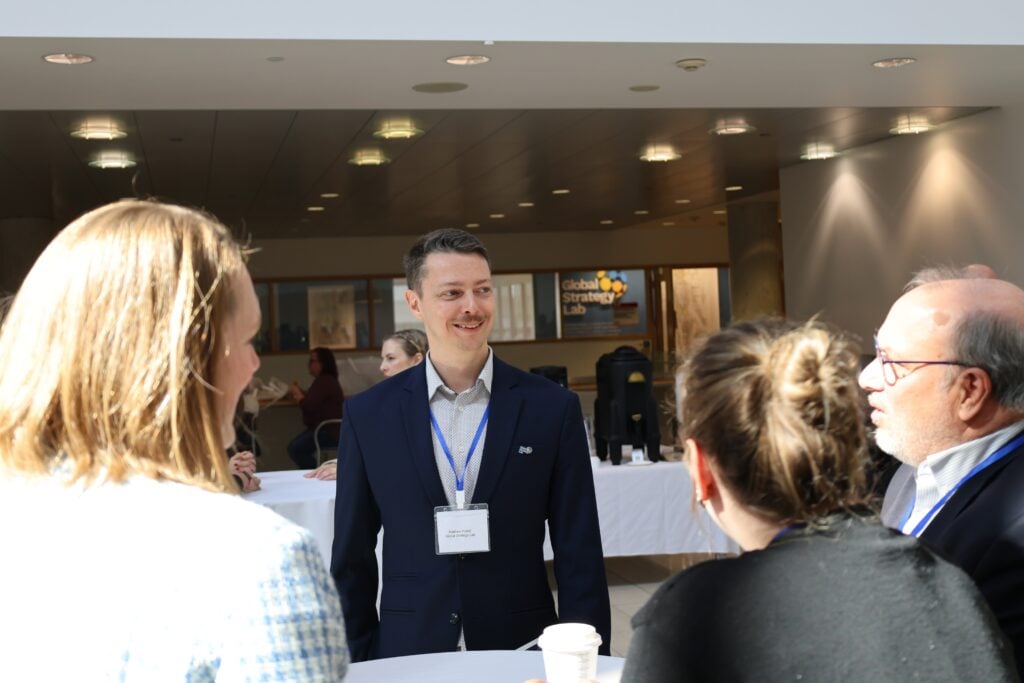
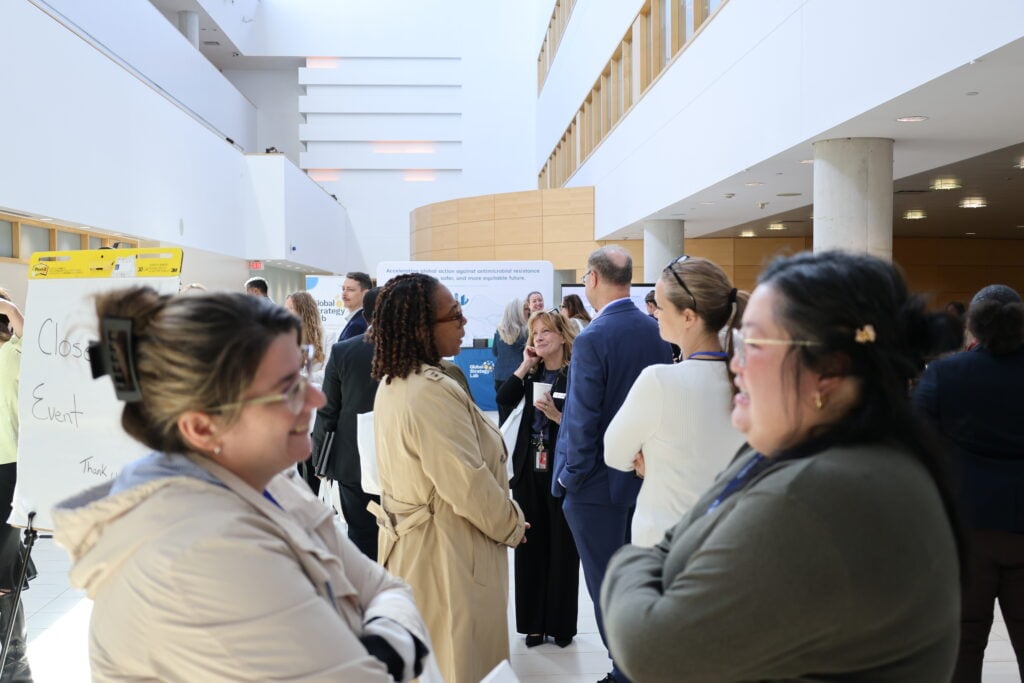
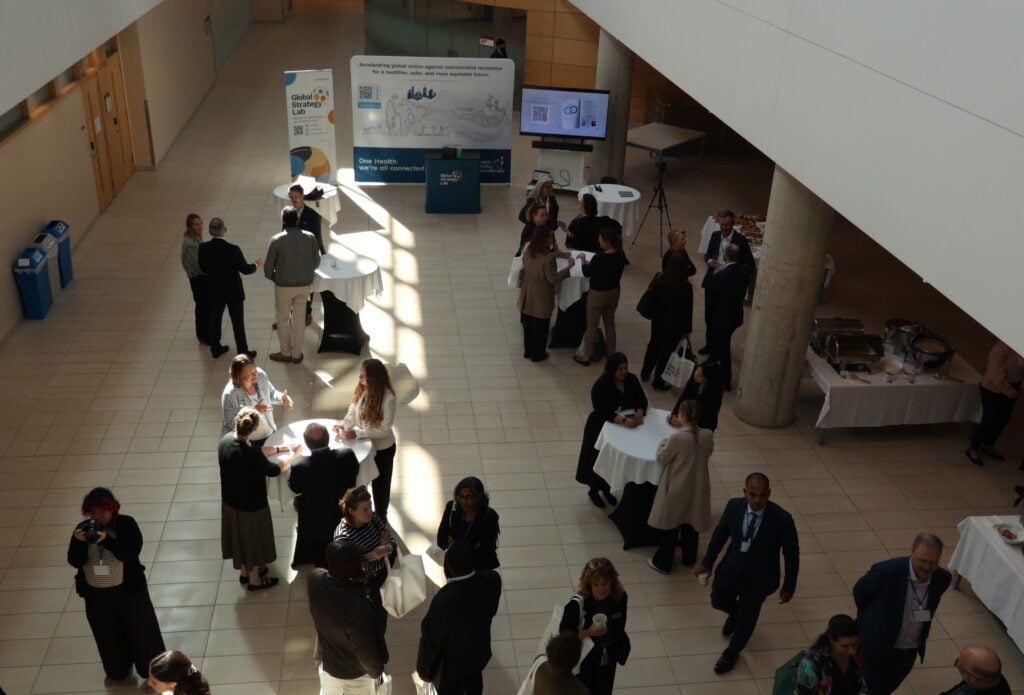
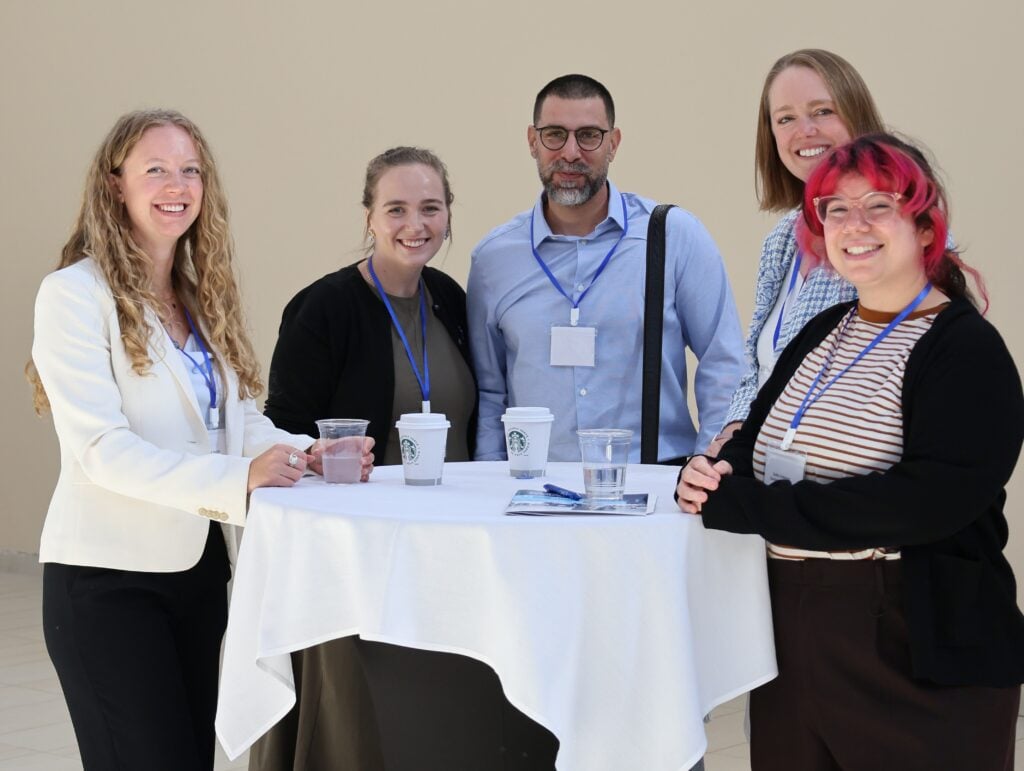

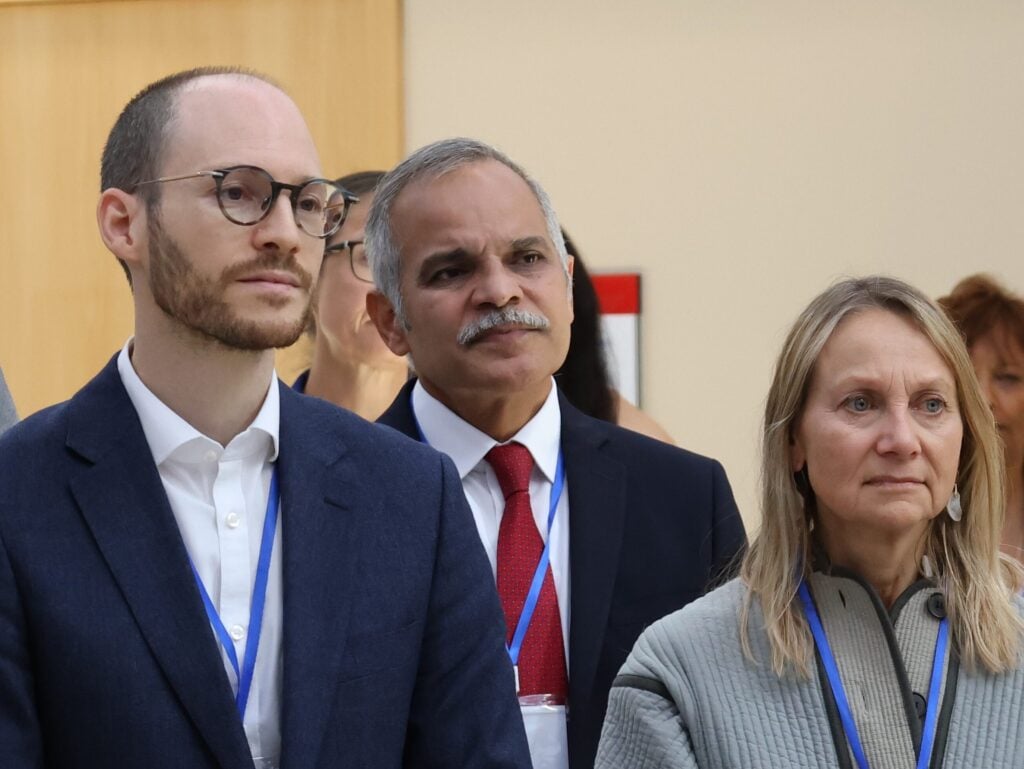
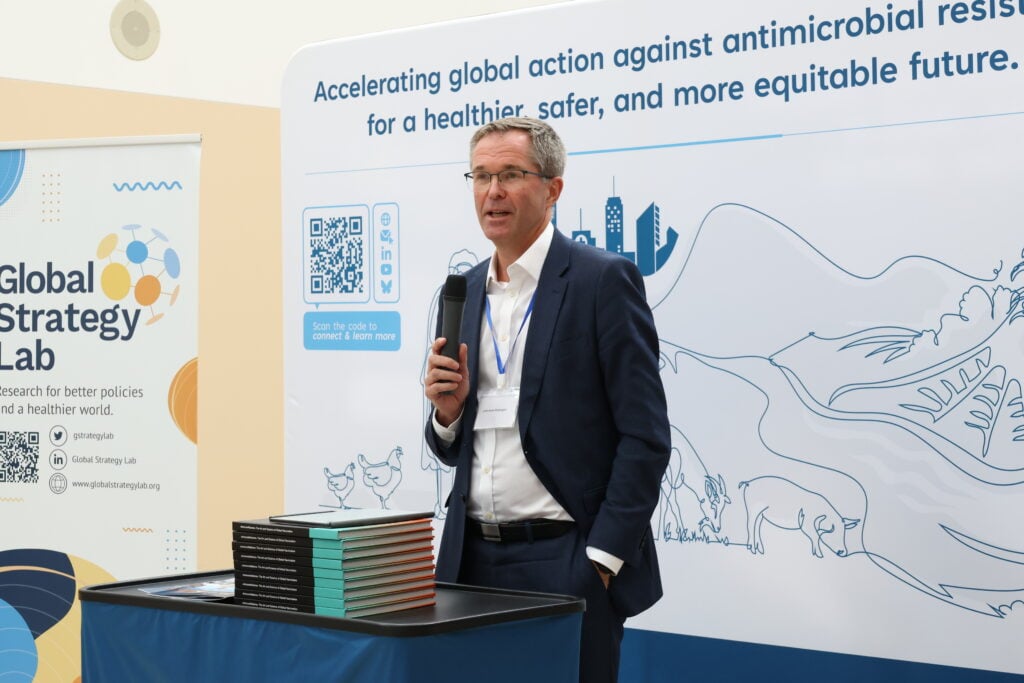
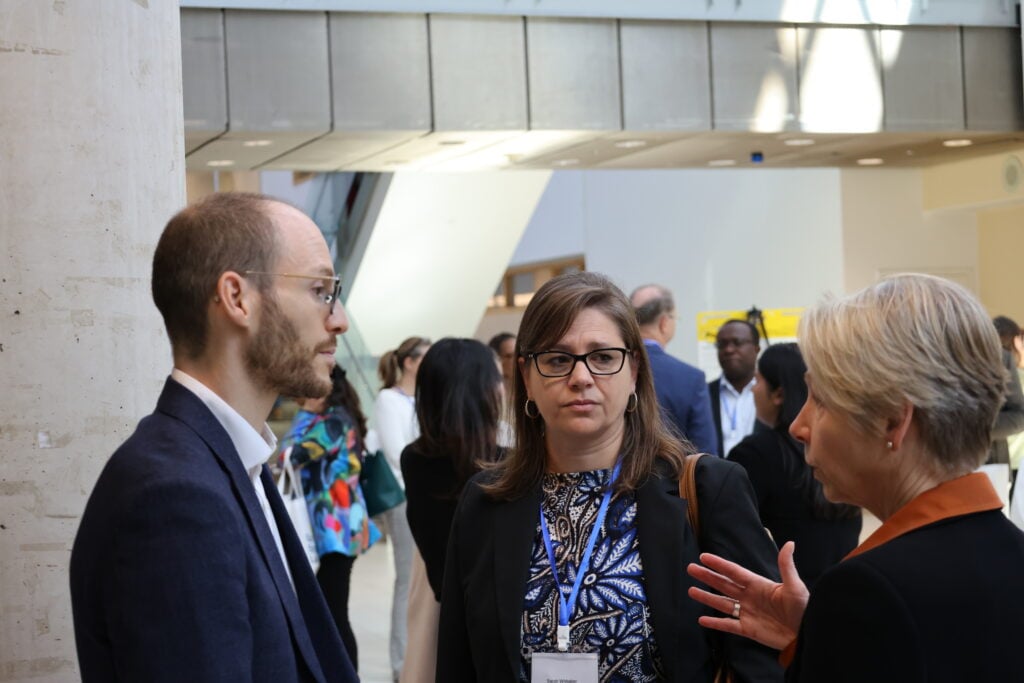

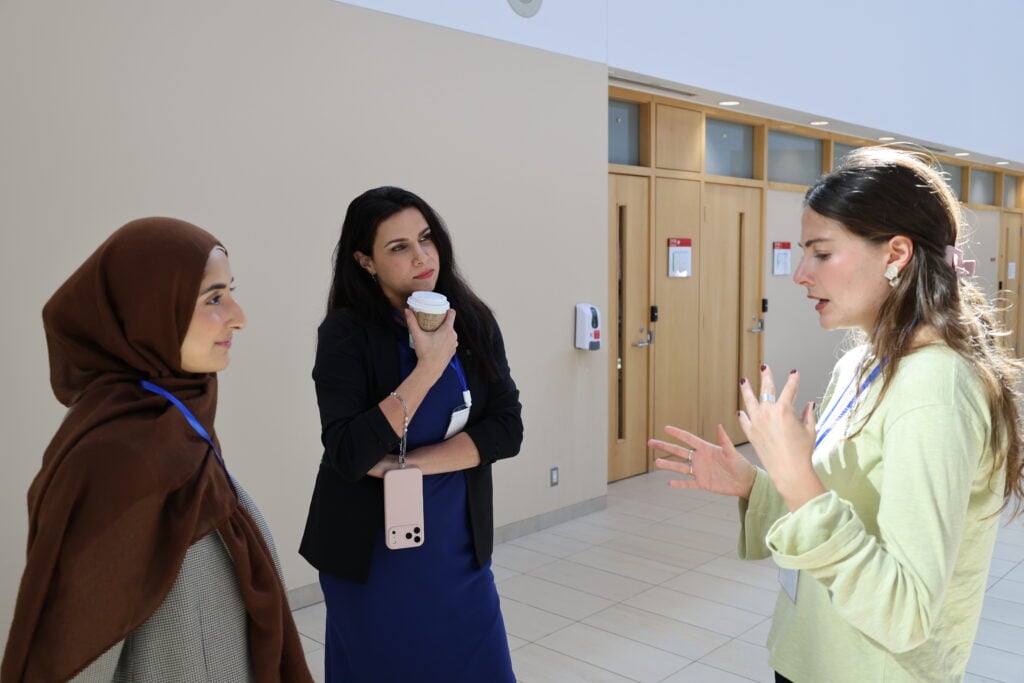
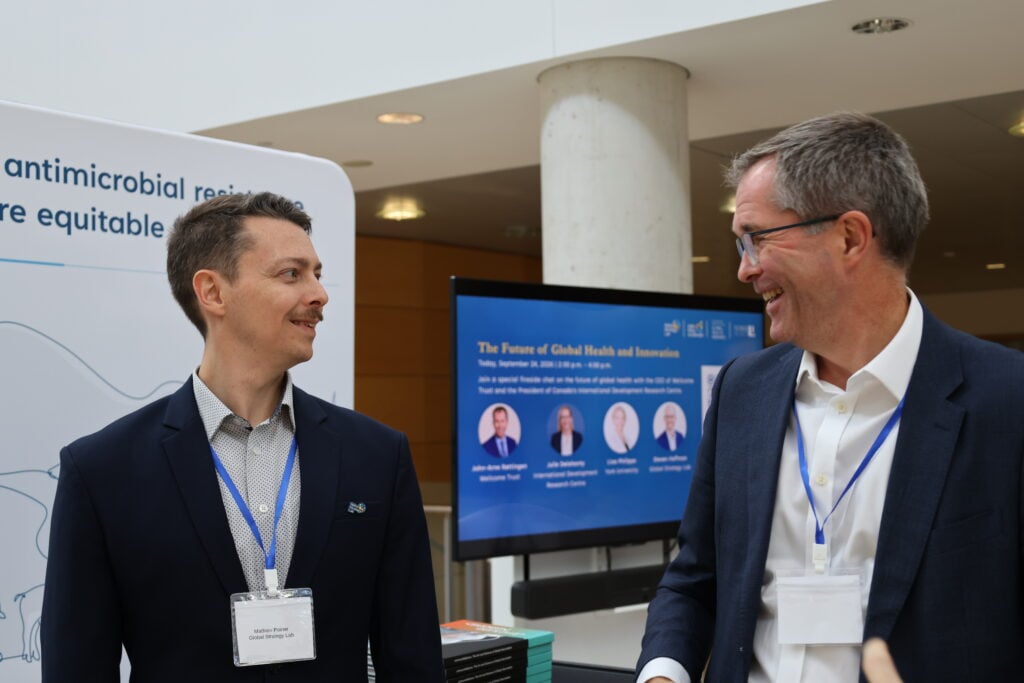
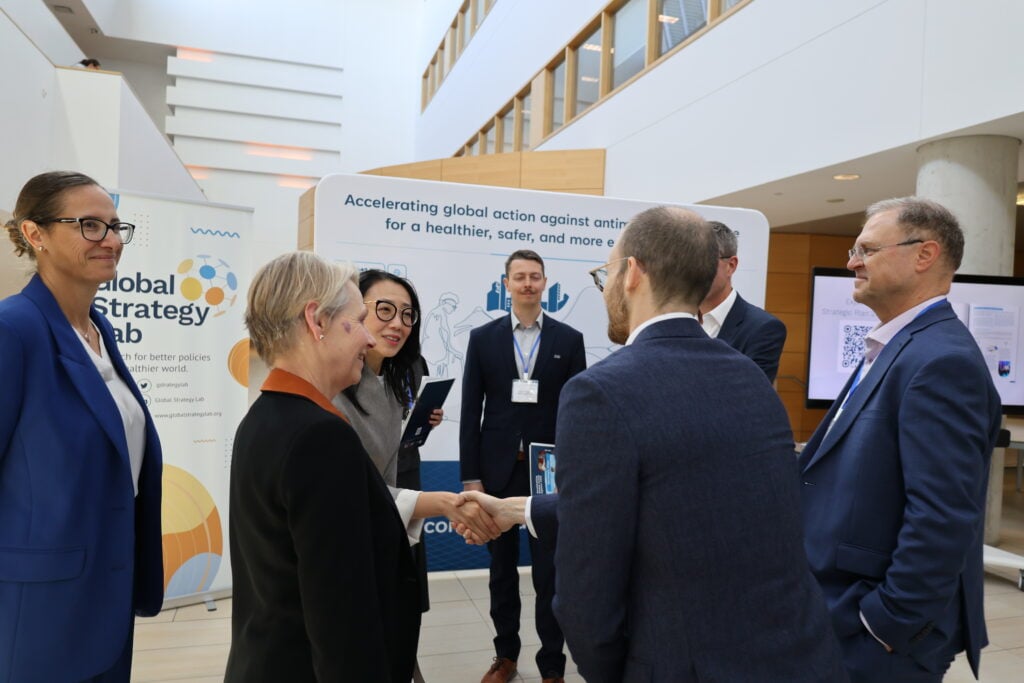
The AMR Policy Accelerator launched its new four-year Strategic Plan with our team, university leadership, York University Interim President and Vice-Chancellor, Lisa Philipps, Canada’s Parliamentary Secretary to the Minister of Health, Maggie Chi, and Wellcome CEO, John-Arne Røttingen.
This next phase of the Accelerator will prioritize turning evidence into action, strengthening the connections between global commitments and national implementation, and working with partners to advance more effective and equitable responses to AMR.
Read the AMR Policy Accelerator 2026–2030 Strategic Plan
A Conversation on the Future of Global Health
Later that day, Wellcome CEO John-Arne Røttingen and International Development Research Centre President Julie Delahanty joined GSL Founder Steven Hoffman for a wide-ranging fireside chat on the future of global health and the role of science and innovation in shaping what comes next. The session was co-sponsored by the Dahdaleh Institute for Global Health Research and York University and introduced by York University Interim President and Vice-Chancellor, Lisa Philipps.
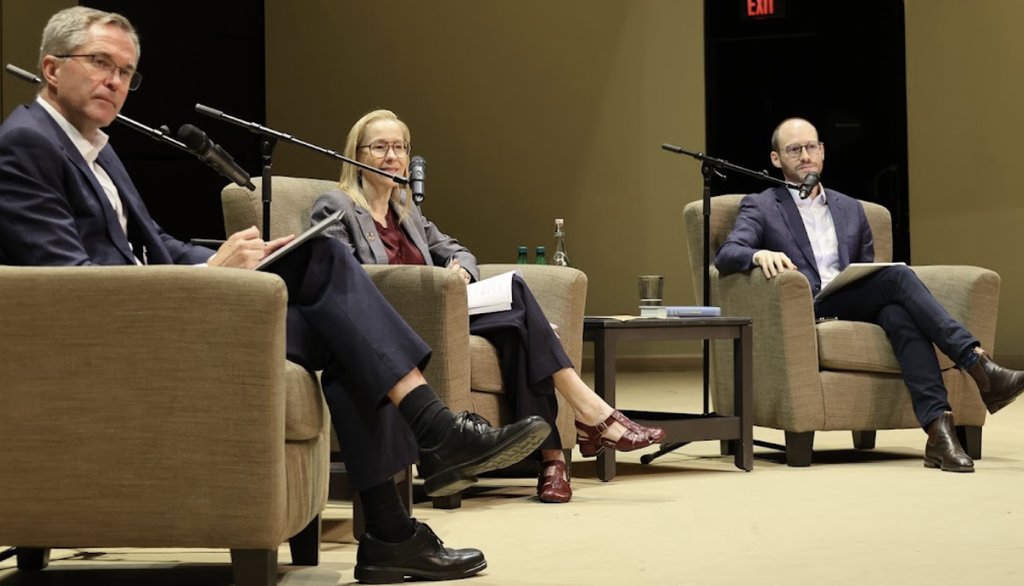
Against a backdrop of declining global health funding and rapid technological change, the conversation explored the need for stronger health and research systems, greater local leadership and priority-setting, more equitable partnerships, and new approaches to global collaboration.
AMR emerged as an example of why these shifts matter. Røttingen described antimicrobial resistance as a complex systems challenge involving access to health services and technologies, innovation, appropriate antimicrobial use, water and sanitation, infection prevention and vaccination. Delahanty emphasized the importance of a One Health approach that brings together human and animal health, agriculture and other sectors.
The discussion also examined the future of the World Health Organization, artificial intelligence and global health, changes in philanthropy and research funding, and how the global health community can strengthen locally led research and decision-making.
Watch the fireside chat
 Previous